
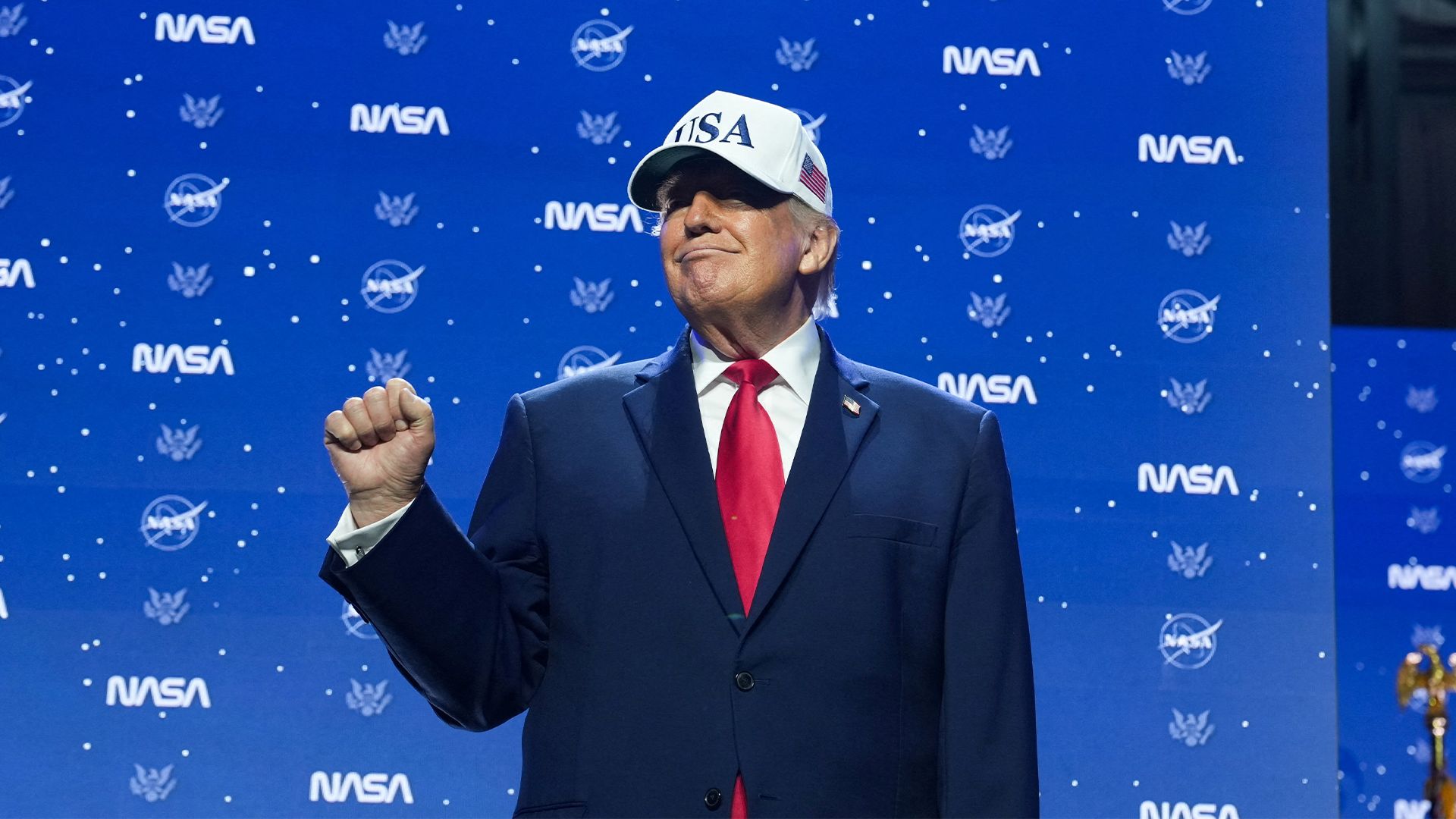
President Donald Trump confirmed Sunday that the United States has carried out what he described as “minor strikes” on Iran’s Qeshm Island, marking the first direct U.S. military action against Iran since the November 3 midterm elections. Speaking to reporters, Trump insisted the operation does not constitute a war. That claim deserves scrutiny.
What We Know
The strikes targeted Qeshm Island, a strategically significant location in the Strait of Hormuz, one of the world’s most critical chokepoints for oil shipments. Trump offered few operational details. He confirmed the attacks personally, which suggests the administration views the disclosure as politically manageable rather than sensitive.
The timing matters. These are the first confirmed U.S. strikes on Iranian territory since the midterms, raising immediate questions about whether electoral outcomes shaped the decision to act now.
Key Takeaways
The situation is fast-moving and details remain limited, but several facts are already clear.
- President Trump personally confirmed the strikes on November 7, 2026, describing them as “minor” without providing casualty figures, targets struck, or the legal basis for the operation.
- Qeshm Island sits at the entrance to the Strait of Hormuz, making it a militarily and economically sensitive location whose disruption could affect global energy markets.
- The strikes represent the first U.S. military action against Iran since the November 3 midterm elections, a sequencing that raises questions about the role of domestic politics in the decision.
- Trump’s framing of the operation as “not a war” echoes a long-standing executive-branch habit of minimizing military actions to avoid triggering War Powers Act obligations to Congress.
No congressional authorization has been publicly cited. No allied governments have been named as partners in the operation. The international legal framework under which the strikes were conducted has not been explained.
The “Not a War” Problem
Calling a military strike on a sovereign nation’s territory “not a war” is a political choice, not a legal or factual one. Administrations of both parties have used this kind of language to sidestep the War Powers Resolution of 1973, which requires the president to notify Congress within 48 hours of committing U.S. forces to hostilities and limits unauthorized engagements to 60 days. The pattern is familiar. It is not less troubling for being familiar.
Iran has not yet issued an official public response at the time of publication. Escalation risks in the Strait of Hormuz, a passage through which roughly 20 percent of global oil supply flows, are real and cannot be dismissed with a presidential adjective.
What Comes Next
Congress will face immediate pressure to demand a briefing and assert its constitutional role over war-making. Whether it does so will be a test of institutional seriousness. The coming hours will determine whether this remains a limited, contained action or the opening of a broader confrontation with consequences far beyond Qeshm Island.