
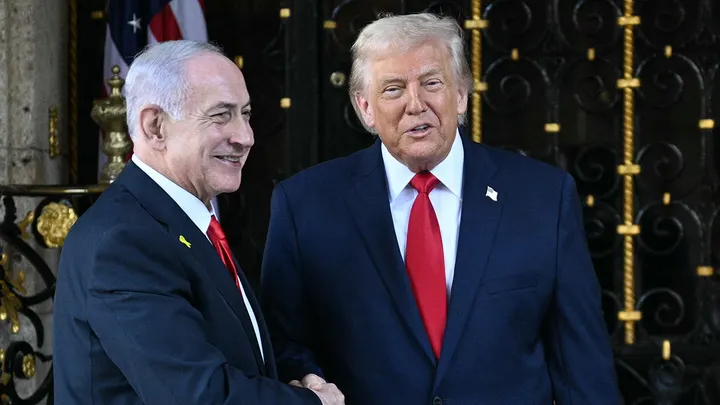
Israeli Prime Minister Benjamin Netanyahu is set to meet President Donald Trump at the White House on Wednesday, with Iran expected to dominate the agenda as Washington weighs diplomacy alongside the threat of military action.
Trump has publicly framed the moment as a fork in the road. He has signaled he believes Tehran wants a deal, while warning that failure to reach one could trigger a tougher response.
Why this meeting is happening now
The visit comes as U.S. and Iranian officials have resumed talks in Oman, restarting a diplomatic track after months of escalation. At the same time, the United States is maintaining a significant military posture in the Gulf, a mix of deterrence and leverage intended to shape negotiations.
That backdrop makes Netanyahu’s arrival more than a routine check-in. It is a chance for Israel to press its red lines directly with the president as the U.S. considers what a new agreement should cover.
Trump keeps the pressure on
In recent remarks, Trump has paired optimism with a warning. The message is consistent: diplomacy is preferred, but the military option remains on the table if talks fail.
That posture is designed to influence Tehran’s calculus. It also signals to allies that Washington is not relying on talks alone.
Israel wants the scope widened beyond nuclear limits
Netanyahu has said he intends to present Israel’s “principles” for negotiations. Israeli officials and analysts have repeatedly argued that a narrow focus on nuclear constraints risks leaving other threats untouched.
From Israel’s perspective, Iran’s ballistic missile program and its network of regional armed groups are central concerns. Trump has also suggested missile issues should be part of any deal, a point that could bring Washington and Jerusalem closer on negotiating terms.
Still, how far the U.S. is willing to go on non-nuclear demands remains a core question hanging over the talks.
Diplomacy and deterrence move in parallel
The renewed Oman channel is unfolding under visible military pressure. Supporters of the strategy say that combination is intentional: diplomacy backed by force is meant to increase bargaining power and shorten Iran’s incentive to stall.
Critics, however, warn that hardening positions could narrow the room for compromise. For now, both tracks are moving at once, and the White House meeting is expected to set the tone for what comes next.
Gaza also on the table
Netanyahu has indicated he will also discuss Gaza with Trump. U.S.-backed efforts around a postwar framework and ceasefire implementation remain stalled, and Israeli officials have pointed to unresolved disputes over security arrangements and governance.
Even so, Iran is widely expected to take priority. The shape of any U.S.-Iran understanding could ripple across the region, including Israel’s security calculations in Gaza and beyond.
By the end of the visit, the key signal to watch will be whether Washington and Jerusalem align on a broad negotiating mandate, or whether gaps remain over how tough a deal should be and how quickly the U.S. is prepared to escalate if diplomacy falls short.