
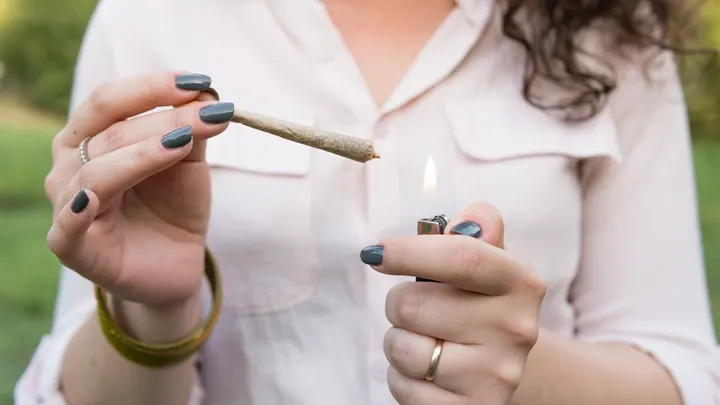
The New York Times editorial board is changing its tone on marijuana.
In a Tuesday editorial titled “It’s Time for America to Admit That It Has a Marijuana Problem,” the board said the United States has “gone too far” in accepting and even promoting cannabis use. It is a notable shift for a paper that spent years arguing for legalization and a lighter federal touch.
The argument now is not a return to arrests for simple possession. It is a call for tighter rules in a market the board says has expanded faster than public health safeguards.
What the Times says it got wrong
The editorial points to an increase in heavy consumption since legalization spread.
It highlights survey research suggesting daily or near-daily use has surged. A major study led by Carnegie Mellon researcher Jonathan Caulkins found that daily or near-daily cannabis use rose sharply over the long term and that, by 2022, intensive marijuana use had become more common than intensive alcohol use.
That kind of frequency matters. Daily use is the pattern most closely linked to dependence.
From “relatively minor” to a public health worry
The Times contrasts its current stance with its earlier view of harms.
In 2014, the editorial board argued the federal ban should be repealed and that marijuana enforcement had fueled illegal markets while falling hardest on minority communities. It also suggested addiction and dependence were relatively minor compared with alcohol and tobacco.
Now, the board says the downsides are clearer than many supporters predicted, especially as commercial legalization made access easier and products stronger.
Potency is the new battleground
Today’s legal market is not dominated by the same products many Americans associate with older marijuana culture.
Concentrates, vapes and high-THC extracts can reach levels far beyond traditional flower. THC is the main intoxicating compound in cannabis. Higher THC generally means a stronger effect and, for some people, a higher risk of adverse reactions.
The Times argues that potency should be regulated, not left to market forces.
Addiction, mental health and hospital visits
The editorial also points to harms that have become more visible in emergency rooms and psychiatric care.
Public health agencies warn that cannabis can be addictive. The CDC cites research estimating that around 3 in 10 people who use cannabis develop cannabis use disorder, a medical diagnosis defined by impaired control and negative life impact.
The Times also flags serious complications such as cannabinoid hyperemesis syndrome, a condition linked to long-term, frequent use that can cause repeated bouts of severe nausea and vomiting. Recent national survey research has suggested a meaningful share of daily users report symptoms consistent with the syndrome.
Mental health concerns are part of the debate as well. Research has linked heavy use, particularly of high-potency products, with higher risks of paranoia and psychosis in some users, especially those who are vulnerable.
What the Times wants instead of prohibition
The board says the answer is not to roll back legalization entirely.
Instead, it argues for a middle ground between “hands-off” commercialization and criminal prohibition. The proposals include higher taxes, stronger regulation of high-potency products, and more aggressive enforcement against unsupported medical claims in dispensary marketing.
The goal, as the board frames it, is to reduce harm while keeping the criminal justice costs of prohibition from returning.
Why this shift matters politically
This editorial lands as cannabis policy remains a patchwork in the United States, with states setting rules while federal law still classifies marijuana as illegal.
The Times is effectively urging lawmakers to treat marijuana more like a regulated public health issue than a culture-war symbol. It is a pivot that could resonate beyond the opinion page, as policymakers face a question that legalization did not settle: how to limit harm in a fast-growing, profit-driven market without going back to mass enforcement.