
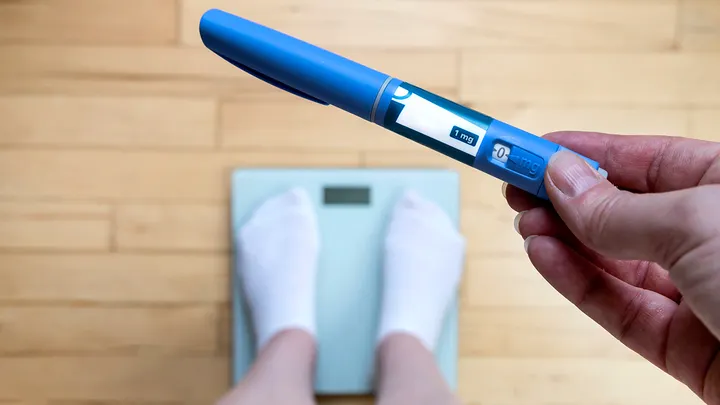
Australian researchers are urging closer monitoring of diet quality for people using GLP-1 and related weight-loss medicines, warning that reduced food intake can increase the risk of nutrient deficiencies, including vitamin C deficiency that can lead to scurvy.
Scurvy is caused by insufficient vitamin C. While it is rare in high-income countries, it can occur when diets lack enough vitamin C-rich foods over time, and untreated cases can lead to serious complications.
GLP-1 scurvy risk concerns focus on what people stop eating
The warning follows a systematic review led by researchers linked to the University of Newcastle and the Hunter Medical Research Institute that examined 41 clinical trials of GLP-1 and GLP-1/GIP receptor agonist medicines across 17 years, involving more than 50,000 participants. The review concluded that only two of the 41 studies assessed or reported dietary intake, leaving a major evidence gap about what participants were eating while losing weight on the medications.
In the accompanying university statement, nutrition researcher Clare Collins said weight loss alone does not confirm that a person is well-nourished and argued that nutrition outcomes should be measured and reported alongside weight outcomes in future trials.
Why appetite suppression can create micronutrient gaps
GLP-1 and GLP-1/GIP medicines are designed to reduce appetite and increase satiety, which can lower overall food intake. Researchers say that if diet quality is not carefully managed, people may fall short on protein, fiber, vitamins and minerals, raising the risk of malnutrition and micronutrient deficiencies.
Researchers highlighted that early signs of inadequate intake can overlap with common medication side effects such as nausea and fatigue, which may delay recognition of nutrition problems without routine assessment.
What scurvy looks like and why it matters
Cleveland Clinic lists potential symptoms of scurvy as including fatigue, easy bruising or bleeding under the skin, swollen or bleeding gums, loose teeth, rough or scaly skin, hair changes, and poor wound healing; severe cases can involve anemia and other complications.
The researchers stressed that vitamin C deficiency is only one example and that other nutrient shortfalls can also have clinical consequences if intake drops significantly over a sustained period.
Calls for dietitian support and better trial reporting
The review and the university statement call for clinical trials to include validated dietary assessment tools and transparent reporting of food and nutrient intakes to better understand how these medicines affect diet quality and longer-term health outcomes.
Some clinicians and patient advocates have also pointed to high-profile accounts of diet-related deficiencies during rapid weight loss; singer Robbie Williams has said he was diagnosed with scurvy after he “stopped eating” while using an appetite suppressant he compared to Ozempic, according to Entertainment Weekly.
Researchers say the central issue is not that GLP-1 medicines inherently cause scurvy, but that reduced intake can make nutrition adequacy harder to maintain without intentional dietary planning and clinical follow-up.