
The 50-year federal prison sentence handed to Brooklyn sex trafficker Omari Scott on July 30, 2026, briefly illuminated one of New York City’s most entrenched open-air exploitation markets — but women working Pennsylvania Avenue in East New York say nothing on the ground has changed.
Scott’s conviction, the first in the nation secured after trial on a sex-trafficking murder charge, exposed the Penn Track’s brutal mechanics to a federal courtroom. Yet the street continues to operate, and the systems of coercion, violence, and profit extraction that defined Scott’s operation remain very much in place.
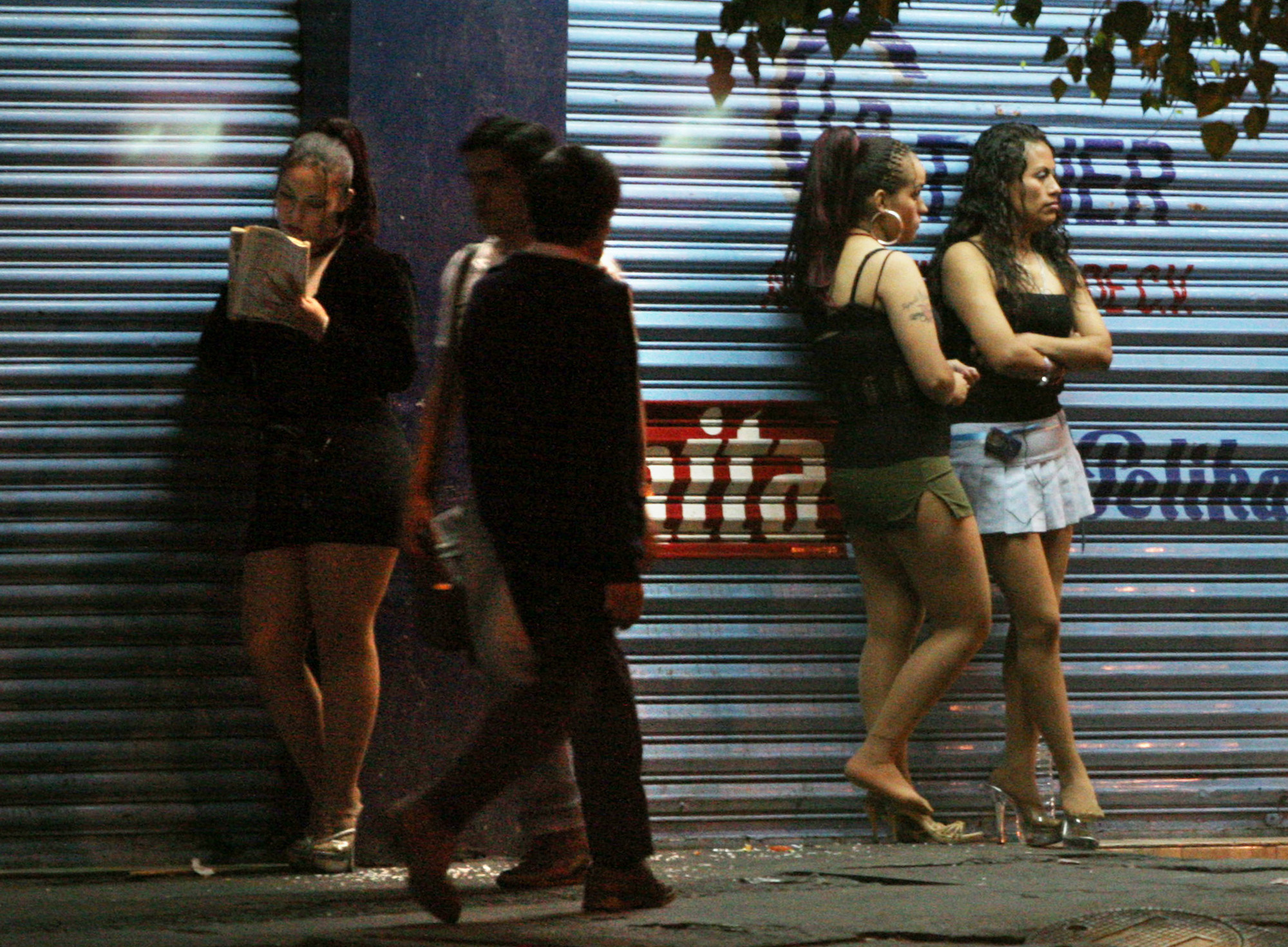
“You gotta keep your eyes on everything,” one sex worker told reporters. “The date, the other girls, the cops, the guys just sitting there watching. You can’t relax for one second.” That sentence captures something a conviction alone cannot resolve: the constant, structural precarity that defines life on the Penn Track.
A Landmark Conviction That Did Not Dismantle the Market
Scott’s prosecution, brought by the U.S. Attorney’s Office for the Eastern District of New York alongside the FBI’s New York field office and the NYPD, was historic in its legal reach. Securing a murder conviction within a sex-trafficking framework required prosecutors to prove that Clay’s killing was a direct instrument of Scott’s trafficking enterprise — which the jury accepted.
Michael Simmons, who pulled the trigger, pleaded guilty in January 2025 to murder in the course of sex trafficking and to trafficking Jane Doe 2. He remains awaiting sentencing. Scott’s 50-year term signals that federal authorities are prepared to treat lethal violence within trafficking networks as the organized crime it is.
But a landmark sentence addresses one operator. The Penn Track predates Scott and, by every available account, will outlast his removal from the street.
How the Penn Track Operates
The Penn Track — also called “The Blade” — functions as an open-air commercial sex market along Pennsylvania Avenue in East New York. Traffickers recruit women, use violence and coercion to compel participation, and extract the earnings. The structure is not incidental; it is the business model.
Scott’s trial laid out the mechanics in detail. He approached victims with affection and financial promises, then methodically isolated them, imposed quotas, and used physical violence to punish shortfalls or resistance. When one of his trafficking victims, identified in court as Jane Doe 2, attempted to leave him for a rival, Scott dragged her through the street by her hair before arranging Clay’s murder to eliminate the competition.
That episode — a woman’s attempt to exercise even minimal agency met with abduction and a murder contract — illustrates the depth of control traffickers assert and the extreme danger that resistance invites.
Enforcement Alone Is Not Enough
The NYPD’s pivot toward demand-side enforcement — targeting buyers rather than criminalizing workers — reflects a broader, evidence-informed shift in how cities approach street-based sex markets. Harm-reduction advocates have been granted access to women on the Penn Track, offering services and exit pathways. These are meaningful policy improvements, and they deserve acknowledgment.
They are also, demonstrably, insufficient on their own. The market persists. The violence persists. Workers report that the dangers have not diminished in any meaningful way since Scott’s arrest.
Addressing the Penn Track structurally requires confronting the conditions that make trafficking viable: concentrated poverty in East New York, inadequate housing, gaps in mental health and addiction services, and the absence of economic alternatives for the women traffickers target. Enforcement can remove individual bad actors. Only sustained public investment can drain the pool of vulnerability those actors exploit.
What Comes Next
Scott’s 50-year sentence closes one chapter. Simmons’s sentencing will close another. But the Penn Track’s persistence after decades of intermittent crackdowns is a policy failure that cannot be prosecuted away.
The women working Pennsylvania Avenue tonight are doing so inside the same structure of coercion, debt, and violence that Scott’s trial put on the record. Their safety depends not only on federal prosecutors willing to pursue historic charges, but on a city and state prepared to invest — seriously, consistently, and at scale — in the communities and services that make exploitation harder to sustain.