
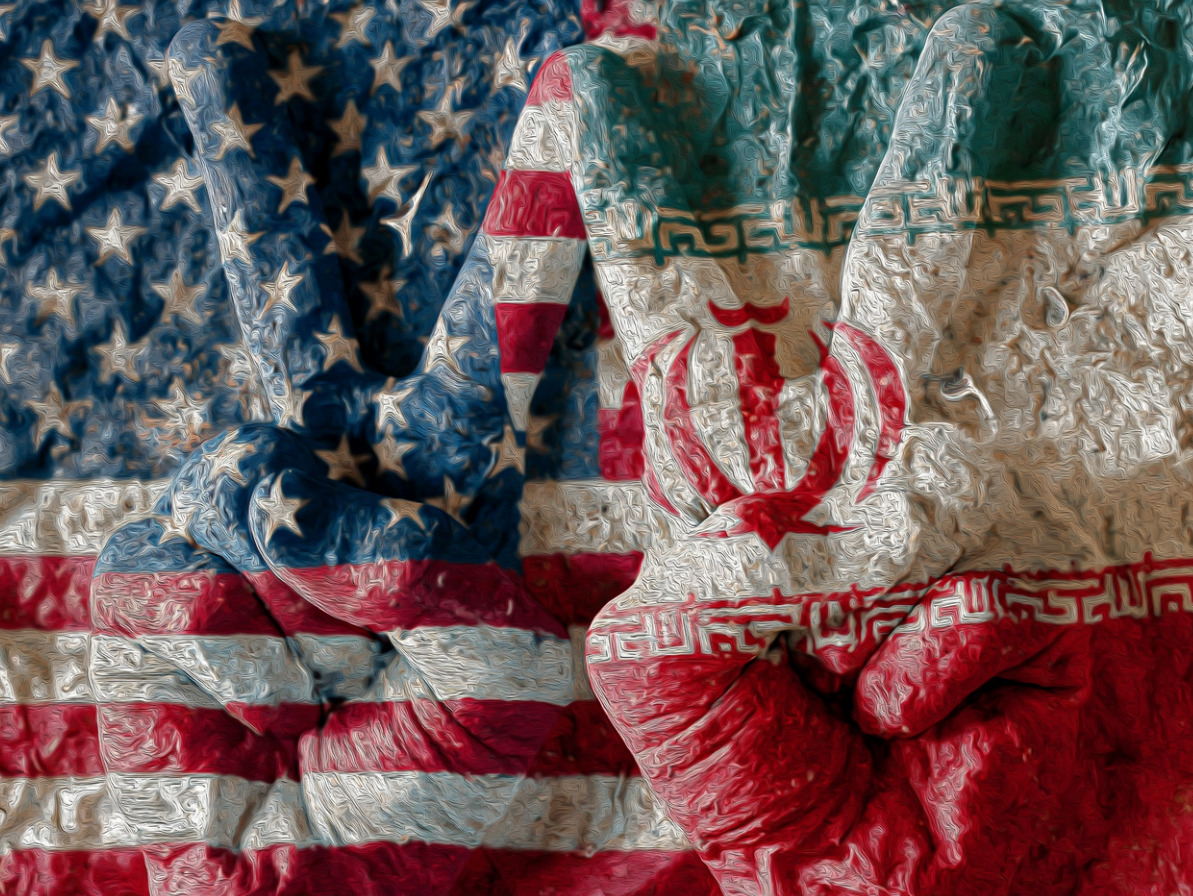
On the sidelines of the United Nations General Assembly in New York, something happened that diplomats and oil traders had been watching for with a mixture of anticipation and scepticism: Iranian Foreign Minister Abbas Araghchi sat down with US envoys Steve Witkoff and Jared Kushner at UN headquarters, in what has now been confirmed as the first direct, high-level contact between Washington and Tehran that both governments have publicly acknowledged. The meeting was brief, the outcomes were ambiguous, and the spin from each side told a different story — but the fact that it happened at all, and that neither government denied it, carries weight in a relationship that has spent years lurching between maximum pressure and near-confrontation.
President Trump, speaking with characteristic optimism, described the encounter as involving “lots of good thoughts” and expressed confidence that Iran “will do something good,” adding that there was significant momentum behind the process. A follow-up meeting, he said, would happen “soon.” Iranian state broadcaster, meanwhile, offered a notably different framing: Tehran accepted Witkoff’s meeting request not as a concession but as an opportunity to formally convey what it described as “strict conditions” for reopening the Strait of Hormuz — the narrow waterway through which roughly a fifth of the world’s oil supply passes. In Tehran’s telling, Washington came to them, not the other way around.
The Strait as Leverage
The explicit linkage between the talks and Iran’s conditions for reopening the Strait of Hormuz is perhaps the most revealing detail to emerge from the various accounts of the meeting. By tying the waterway’s status to the negotiating track, Tehran is signalling clearly that it regards control over Hormuz as its primary bargaining chip — something to be traded at a price, rather than surrendered as a goodwill gesture. The phrase “strict conditions” is doing considerable diplomatic work here, projecting resolve for a domestic audience while leaving enough ambiguity for negotiators to operate. A separate report from Iran’s Tasnim news agency elaborated on those conditions: the release of frozen Iranian assets, an end to active hostilities across regional fronts, and the lifting of what Tehran characterises as a naval blockade.
Those demands will sound familiar to anyone who followed earlier rounds of indirect diplomacy. They closely mirror the framework of a memorandum of understanding that had previously circulated in negotiations, suggesting that Iran’s opening position is anchored in prior agreements rather than new maximalism. Whether that makes the gap bridgeable or simply well-defined remains to be seen. Israel’s Channel 12, citing US sources, offered the sobering assessment that while the meeting had been planned in advance and centred on conditions for renewing negotiations and reopening Hormuz, there was no agreement on the most significant disputes. The substance, in other words, remains far apart.
Reading the Room
The most analytically useful take may have come from Al Arabiya, whose source described the meeting as having “broken the deadlock” while cautioning that any breakthrough would require multiple steps. That framing — deadlock broken, deal not imminent — is probably the most accurate description of where things stand. A single meeting between senior officials does not resolve decades of accumulated grievance, sanctions architecture, and regional proxy conflict. But it does create something that did not exist before: a publicly acknowledged negotiating track, with both governments now visibly invested in its continuation.
That investment matters, even if the substance lags behind the symbolism. When both sides have publicly committed to a process, the political cost of walking away rises, and with it, the near-term probability of escalation falls. The hardline messaging from Iran’s Fars news agency — asserting that the US “has not left a red line in the region” and that Iran stands ready for all scenarios — should be read in that context. Tough talk at the opening of a negotiation is a feature, not a bug; it signals to domestic constituencies that no one is blinking, while the actual conversation continues in quieter rooms.
What the Markets Heard
Oil markets reacted swiftly to the headlines, with West Texas Intermediate crude falling $2.45 to $89.92 a barrel as traders priced in a reduced risk of Hormuz disruption. The move is understandable, but it warrants caution. Markets have been burned before by diplomatic “breakthrough” headlines that dissolved under the weight of unresolved conditions, and the gap between a first meeting and a functioning agreement on Hormuz access is considerable. The more durable signal is not the price move but the structural shift in the diplomatic environment: both governments are now publicly on record as participants in a negotiating process, which changes the calculus for escalation even if it does not yet change the facts on the ground.
What comes next is, by Trump’s own account, another meeting — the timing and venue unspecified, the agenda still being shaped by the conditions Iran has formally placed on the table. The gap between Washington’s apparent eagerness for a deal and Tehran’s insistence on its terms being met first is real, and it will not close in a single session. But for the first time in a long while, both sides are in the same room, talking. That is not nothing. In a region where miscalculation carries catastrophic risk, the existence of a channel — however fraught, however asymmetric in its expectations — is itself a form of stability worth protecting.