
A Corporate Clean Energy Bet, Backed by Regulatory Oversight
Google has secured a landmark agreement with Georgia Power to extract additional electricity from two existing nuclear plants, adding roughly 96 megawatts of zero-carbon capacity to Georgia’s grid without building a single new reactor. The deal, structured around a novel subscription tariff model, places the financial burden of modernisation squarely on Google — not on ordinary ratepayers — and represents one of the clearest examples yet of how regulated utilities can harness corporate clean energy demand in the public interest.
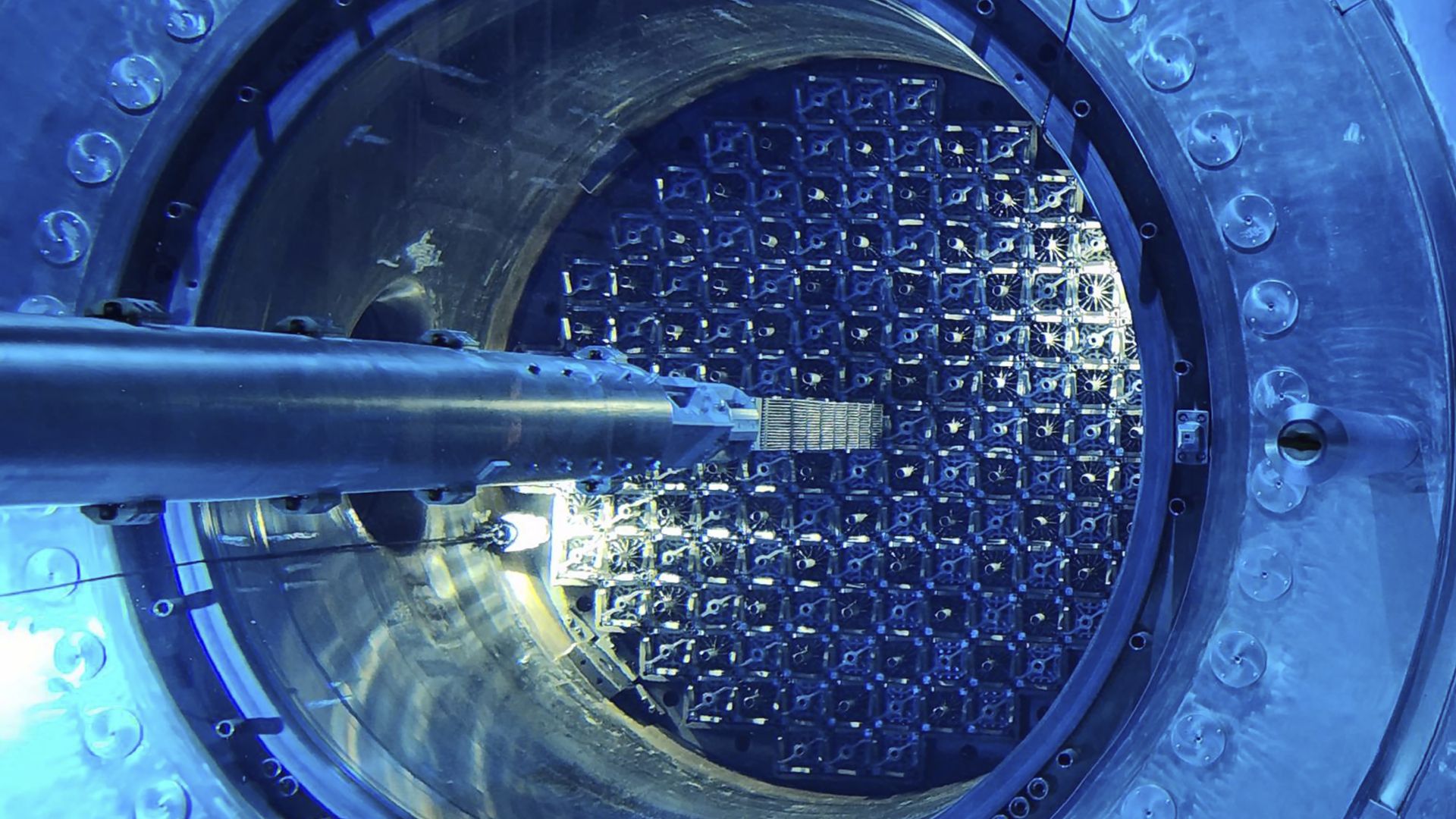
The arrangement targets Plant Hatch in Baxley and Plant Vogtle near Waynesboro, two facilities that together supply more than a quarter of Georgia’s total electricity. Engineers will perform what the industry calls extended power uprates — mechanical upgrades to steam turbines, pumps, motors, and cooling circuits — allowing four older reactors to generate more electricity safely from their existing nuclear cores. No new fuel. No new footprint. More clean power.
This is not charity. Google needs it. Technology companies are grappling with explosive electricity demand driven by data centres and artificial intelligence infrastructure. Nuclear power, which delivers continuous baseload electricity without carbon emissions, has become the favoured solution for tech giants trying to reconcile growth with climate commitments. The question has always been who bears the cost of that ambition. Here, the answer is unusually clear.
How the Regulatory Framework Protects Consumers
The commercial structure at the heart of this deal deserves scrutiny — and, on balance, merits cautious approval. Georgia Power submitted a subscription tariff model designated NU-1 to the Georgia Public Service Commission, bundled with its agreement with Google. The exact contract terms were redacted in public filings, which is a legitimate concern for transparency advocates. However, the utility has confirmed the essential architecture: Google funds the uprate work through the tariff, and in return receives the clean energy credits generated by the additional electricity.
Crucially, Georgia Power estimates the arrangement will deliver $900 million in net savings for ordinary customers over the operational lifetime of the reactors. That figure will require independent verification as the project progresses, and regulators must hold the utility to account if projections fall short. But the structural logic is sound — a well-resourced corporation absorbs capital risk while the regulated utility captures efficiency gains that flow downstream to residential and small-business customers.
Aaron Mitchell, Senior Vice President of Strategic Growth for Georgia Power, framed the deal in terms of the utility’s broader customer commitments. “Many of our large customers have specific clean energy goals,” Mitchell said, “and we continue to work with the Georgia PSC to create programs that not only help them meet their goals, but align with our Customer Protection Pledge, enhancing the reliability and resiliency of the power grid and creating savings for all customers.” That language reflects exactly the kind of regulatory compact that progressive energy policy should demand: corporate participation that strengthens, rather than privatises, shared infrastructure.
The Regulatory Timeline Is Long — and That Is a Feature, Not a Bug
State and federal approvals will govern every step of this process. The Georgia Public Service Commission already cleared uprates for Vogtle Units 1 and 2 in 2025. On Monday, Georgia Power filed a formal request to extend identical modifications to Hatch Units 1 and 2. Federal oversight moves on a separate, slower track. The Nuclear Regulatory Commission expects licence applications for Hatch in the second quarter of 2027, with Vogtle filings following in the fourth quarter of 2028.
This is a multi-year, multi-agency process subject to rigorous technical and safety review. The scheme deliberately excludes Vogtle Units 3 and 4, the newer reactors that entered commercial operation in 2023 and 2024 after years of costly delays and budget overruns that burdened Georgia ratepayers. The decision to focus on older, proven units reflects a more disciplined approach — one that upgrades what already works rather than gambling on construction timelines that have historically slipped.
Broader Context: Nuclear as a Progressive Energy Tool
Lucia Tian, Google’s Director of Advanced Energy Technologies, stated that digital infrastructure growth should deliver tangible local benefits and support affordable power for residents. That is the right framing. The progressive case for nuclear energy is not ideological — it is practical. Decarbonisation at the scale and speed the climate crisis demands cannot rely on intermittent renewables alone. Existing nuclear plants, upgraded and safely regulated, offer a bridge that neither coal nor gas can provide.
Georgia Power’s broader energy investments reinforce the point. The utility recently opened a 128-megawatt commercial battery storage facility that captures solar energy during low-demand periods and releases it for up to four hours at evening peak. That pairing — nuclear baseload plus battery-buffered solar — is precisely the kind of integrated, low-carbon grid architecture that serious climate policy should encourage and regulate into existence.
Plant Hatch currently generates 1,793 megawatts. Vogtle’s older units provide 2,338 megawatts. The uprated capacity, combined with battery reserves, will strengthen grid reliability without expanding the physical footprint of either site. In a state where electricity demand is rising fast, that matters enormously — for the climate, for consumers, and for the long-term credibility of clean energy as a public good rather than a corporate perk.