
Stalled Diplomacy: Why U.S.-Iran Peace Negotiations Remain Deadlocked
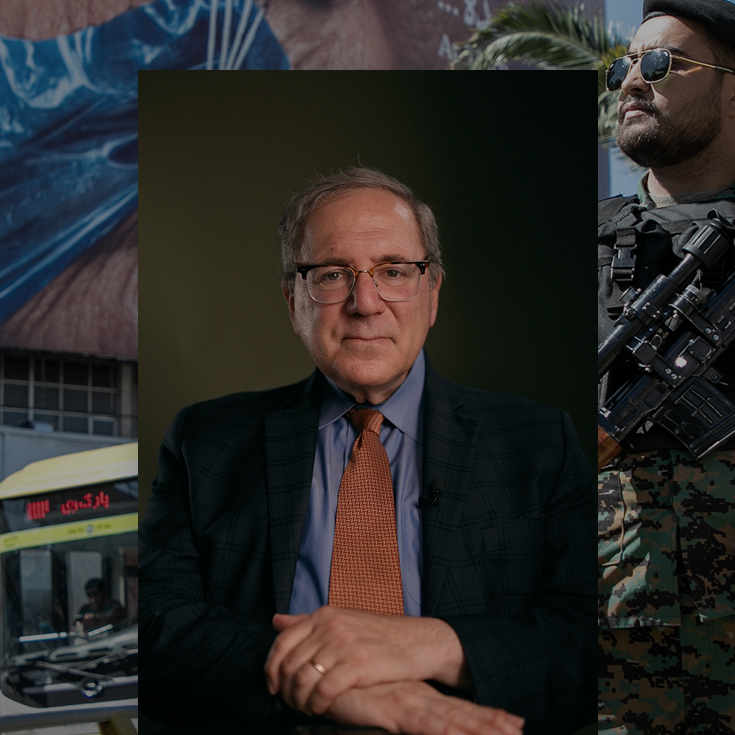
Washington, D.C. — June 2, 2026 — Negotiations to end the U.S.-Iran war are dragging on with no resolution in sight, as a web of military, political, and diplomatic complications continues to block any lasting agreement, according to reporting by New York Times correspondent David E. Sanger.
The talks are unfolding against a backdrop of ongoing violence. The United States has launched fresh strikes inside Iran even as a fragile cease-fire nominally remains in place — a contradiction that negotiators on both sides have struggled to explain or contain.
Civilian Deaths Deepen the Crisis
A newly documented U.S. weapons strike killed 21 civilians in Iran, adding significant pressure to already strained negotiations. The deaths have drawn international condemnation and complicated Washington’s stated goal of reaching a durable peace deal.
Despite the mounting toll, top U.S. military commanders have publicly dismissed reports of civilian casualties — a posture that critics say undermines American credibility at the negotiating table and abroad.
President Trump, when asked about the economic hardships the war has imposed on American families, said he “does not think about” those consequences — a statement that drew swift backlash from anti-war advocates and progressive lawmakers.
A Peace Deal Still a ‘Work in Progress’
Secretary of State Marco Rubio acknowledged this week that any U.S.-Iran peace agreement remains a “work in progress,” offering few specifics on a timeline or the core terms under discussion.
The admission underscores how far the two sides remain from a formal settlement, even as the human and economic costs of the conflict continue to mount on multiple fronts.
Domestic Opposition Grows
Inside the United States, public dissent is intensifying. In Washington, D.C., a protester spent six days atop a bridge before coming down — a vivid symbol of the grassroots frustration with an administration that has yet to articulate a clear exit strategy.
The protest reflects broader anti-war sentiment that has been building as the conflict stretches on without a defined endpoint or demonstrable progress toward peace.
What’s Blocking a Deal
According to Sanger’s reporting, several factors are complicating any agreement:
The combination of active military operations and stalled diplomacy has left observers questioning whether the Trump administration has a coherent strategy for ending a conflict it helped escalate — or whether it is simply managing the war’s optics while deferring the hard choices of peace.