
A Diplomatic Protest Rooted in a Broader Offensive Against Critical Reporting
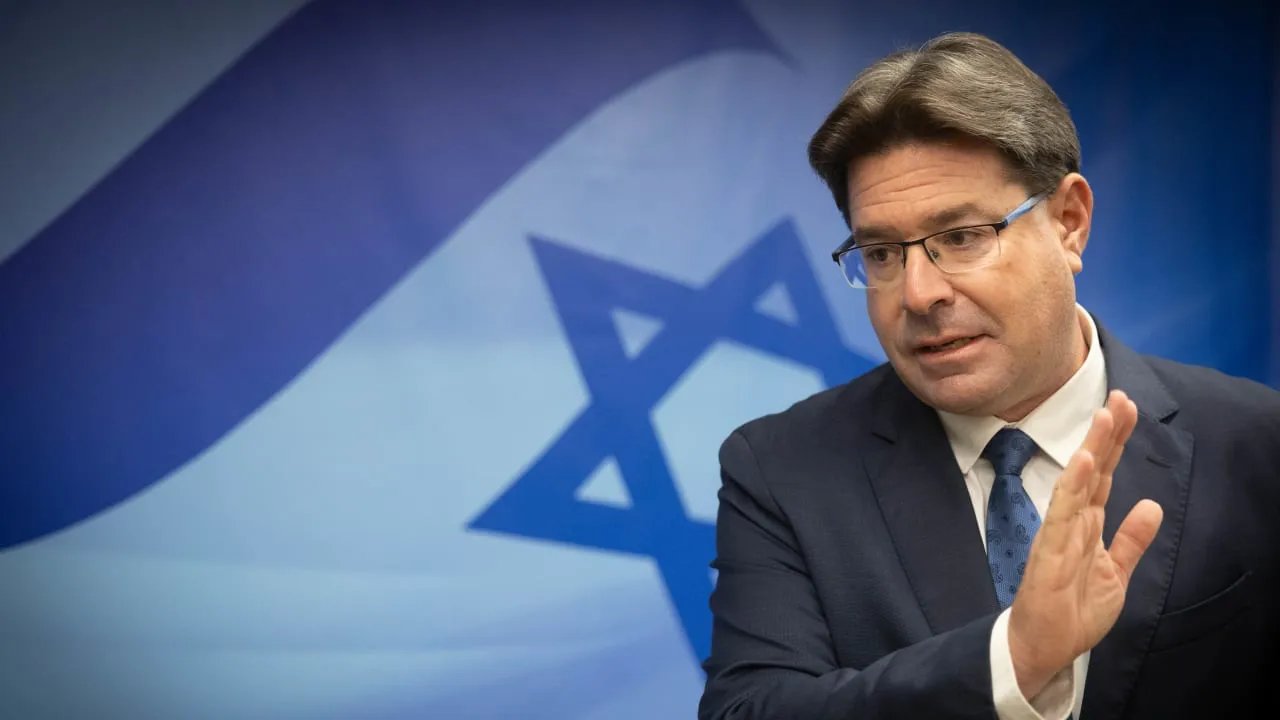
Israel’s Consul General in New York, Ofir Akunis, announced Friday that he had ordered the cancellation of all New York Times subscriptions held by staff at the Israeli Consulate — a gesture that is less a meaningful diplomatic act than a signal of intent. The move is the latest escalation in a sustained campaign by Israeli officials to discredit, intimidate, and ultimately silence journalism that scrutinizes Israel’s conduct in Gaza. Understanding it as anything less would be a failure of analysis.
The thesis here is straightforward: what Israeli officials are framing as a defense against defamation is, in practice, a coordinated effort to delegitimize independent reporting on the Gaza conflict by weaponizing the term “blood libel” — a historically charged accusation of antisemitism — against factual coverage and credible testimony. The strategy conflates criticism of a state’s military conduct with hatred of a people, and it deserves to be named clearly.
Akunis accused the Times of publishing “false blood libels” based on “anonymous sources” and of turning to “anti-Israel activists, and even Hamas terrorists” to construct its narratives. He offered no specific refutation of any reported fact. The immediate trigger appears to have been a Times report published the same morning, in which Gaza flotilla activists described being beaten, shot with rubber bullets, and verbally abused by Israeli soldiers following their attempt to breach Israel’s blockade of Gaza. These are named individuals making firsthand claims — not anonymous sources. Akunis’s characterization does not survive basic scrutiny.
The Kristof Column and the Escalation of Legal Threats
The current pressure campaign has deeper roots. In May, Times columnist Nicholas Kristof published a piece titled “The Silence that Meets the Rape of Palestinians,” documenting allegations of sexual abuse against Palestinian prisoners held by Israeli authorities, including claims that guards trained dogs to assault male detainees. Israel’s Foreign Ministry called it “one of the worst blood libels ever to appear in the modern press,” and Prime Minister Benjamin Netanyahu, alongside Foreign Minister Gideon Sa’ar, announced that Israel would pursue legal action against the newspaper. The framing was unambiguous: the goal was not merely to dispute the reporting but to punish the institution that published it.
Kristof is not a fringe commentator. He is one of the most decorated foreign correspondents in American journalism, with a long record of documenting sexual violence in conflict zones — work that has earned him two Pulitzer Prizes. The Times defended him explicitly on those grounds, describing him as among the world’s best reporters “documenting and bearing witness to sexual abuse.” That the Israeli government chose legal action over substantive rebuttal is telling. Governments that have strong factual counterarguments tend to make them; governments that cannot tend to reach for legal instruments and public denunciation instead.
Jewish leaders, responding to the controversy, called for a boycott of the Times after a spokesperson publicly rejected rumors that editors would retract Kristof’s column. The Times held firm. That decision matters: editorial independence under political and institutional pressure is not a trivial thing, and the pressure being applied here is considerable — combining diplomatic protest, legal threats, organized boycotts, and the repeated invocation of antisemitism as a rhetorical shield against accountability journalism.
When “Blood Libel” Becomes a Silencing Tool
The term “blood libel” carries enormous moral and historical weight. It refers to the medieval antisemitic lie that Jews murdered Christian children for ritual purposes — a slander that fueled pogroms and centuries of persecution. Its deployment in this context is not accidental. By applying it to journalism about Israeli military conduct, officials like Akunis are attempting to make scrutiny of Israel’s actions categorically equivalent to antisemitic hatred. This is a category error, and a dangerous one. Reporting on the treatment of Palestinian prisoners, or on the experiences of flotilla activists, is not an act of hatred toward Jewish people. It is journalism.
There is a legitimate and important distinction between antisemitism — which must be confronted and named — and criticism of a state’s policies and military behavior, which is the ordinary business of a free press. Collapsing that distinction does not protect Jewish people; it weaponizes their historical suffering in service of political insulation. Progressive values require holding both truths simultaneously: that antisemitism is real and serious, and that the Israeli government’s conduct in Gaza is subject to the same standards of scrutiny we apply to any state exercising lethal force over a civilian population.
The Israeli Consulate’s subscription cancellation will change nothing about the Times’s reporting. But the cumulative weight of legal threats, diplomatic pressure, and coordinated boycott campaigns is designed to produce a chilling effect — to make editors hesitant, sources reluctant, and journalists self-censoring. That is precisely why this episode deserves attention beyond the symbolic. A press that cannot report freely on a military occupation, on credible allegations of prisoner abuse, or on the testimony of people caught in a naval blockade, is a press that has been successfully coerced. The question is whether institutions like the Times will continue to resist that coercion — and whether audiences will support them when they do.