
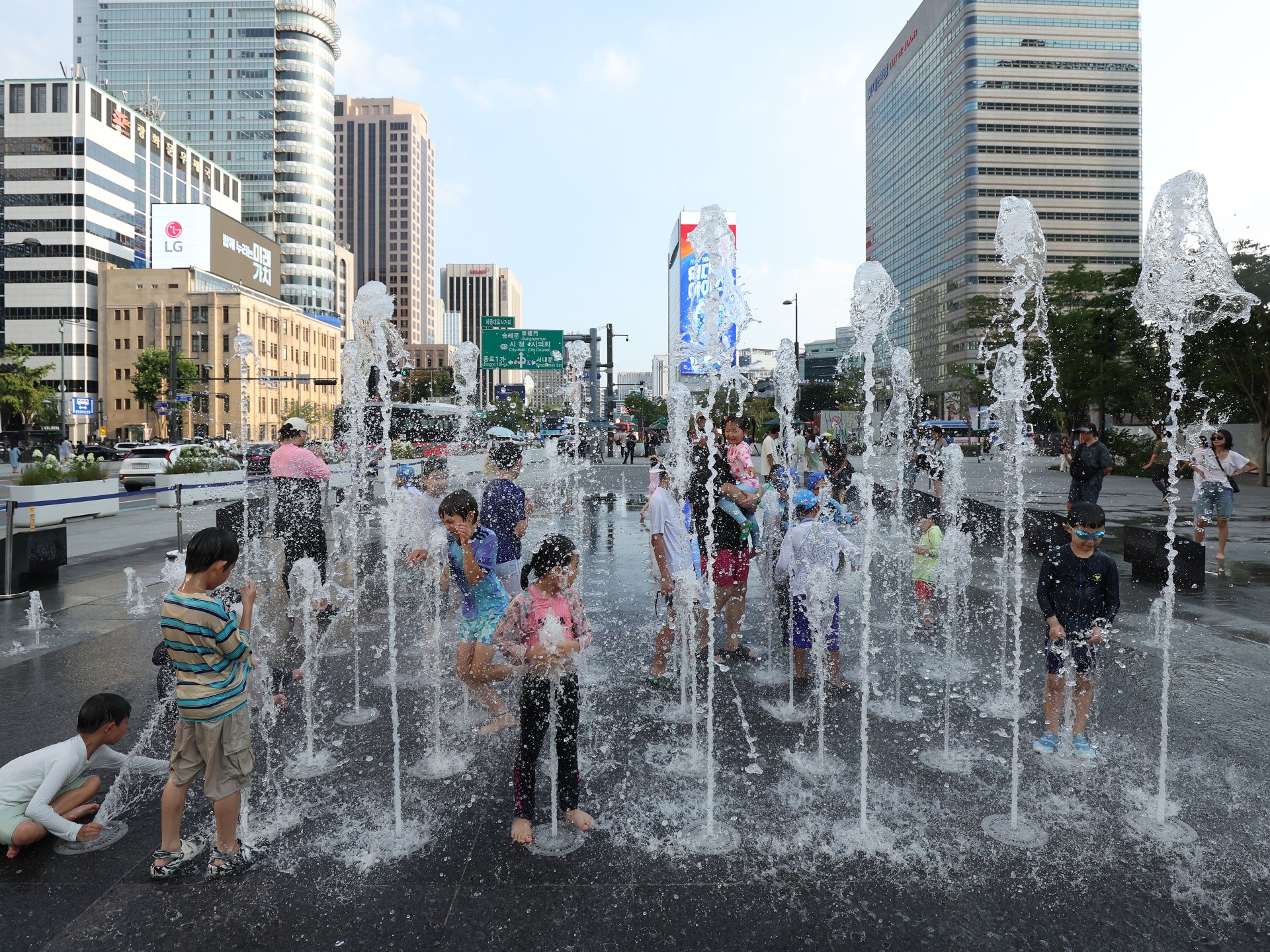
A Nation Baking: South Korea’s Record-Breaking Heat
At 1:26 in the afternoon on Sunday, a thermometer in the southeastern South Korean city of Yangsan climbed to 42.5 degrees Celsius — 108.5 degrees Fahrenheit — and kept going. That single reading, confirmed by the Korea Meteorological Administration (KMA), shattered the country’s all-time temperature record, a record that had stood since national weather observations began more than a century ago. It was not a fluke. It was the fifth consecutive day that Yangsan had exceeded 40 degrees Celsius.
Heat warnings remain in effect across much of South Korea, with temperatures in the upper 30s baking dozens of cities simultaneously. More than 20 localities were placed under emergency heatwave alerts on Sunday alone — a warning category that did not even exist before this year. Authorities introduced the classification specifically because conventional warning thresholds were no longer sufficient to describe what was happening.
The emergency alert triggers when forecasts predict a perceived temperature of at least 38°C (100.4°F) or an actual temperature of 39°C (102.2°F) or higher for a single day. The fact that this threshold needed to be invented tells you something important about the trajectory of the crisis.
The Data Is Unambiguous
South Korea’s own meteorological records lay out the trend with brutal clarity. The average annual number of heatwave days has more than doubled over the past five years, rising to 19 days per year — compared with an average of just eight days during the 1970s. The KMA defines a heatwave day as one in which maximum temperatures reach at least 33°C (91.4°F).
Tropical nights — when overnight temperatures refuse to fall below 25°C (77°F) — are becoming similarly routine. There is no serious scientific dispute about why this is happening. Climate change, driven overwhelmingly by human industrial activity and fossil fuel combustion, is making heatwaves more frequent, longer-lasting, and more intense. That is the scientific consensus, and it is not in tension with the data.
A Global Pattern, Not an Isolated Event
South Korea’s record did not occur in isolation. Across the Pacific, Japan’s eastern and western regions simultaneously endured severe heat, prompting the Japan Meteorological Agency to issue heatstroke alerts for 30 of the country’s 47 prefectures. Public broadcaster NHK warned citizens of dangerous conditions with the kind of language once reserved for typhoons.
In Europe, the picture was no less alarming. Wildfires driven by high temperatures and strong winds swept through parts of Greece over the weekend, forcing residents to evacuate their homes. Hot, dry conditions continued to grip Spain and France, raising the risk of further blazes across landscapes already parched by weeks without significant rainfall.
North Africa is burning too. Extreme heat and powerful winds have fuelled major wildfires across Tunisia, Algeria, and Morocco, threatening forests, farmland, and the communities that depend on them. Tunisia has been forced to call in international firefighting aircraft as emergency crews struggle to contain fires advancing on populated areas.
In the western United States, a dangerous heatwave has pushed forecasters to warn that temperatures could break regional records while dramatically amplifying wildfire risk across drought-stricken terrain. Parts of the region are already burning. The heat arriving this weekend threatens to make conditions significantly worse.
What This Moment Demands
The convergence of these events — on multiple continents, within the same week — is not coincidence. It is the compounding consequence of decades of inadequate climate policy, regulatory failure, and the political power of fossil fuel interests to delay action. Scientists have been clear for years that this trajectory was coming. The records being broken today were predicted.
South Korea’s emergency heatwave alert system, introduced this year, represents a government acknowledging that the old frameworks no longer fit the new reality. That acknowledgment matters. But emergency classification systems are a response to a crisis, not a solution to one. The people of Yangsan, sheltering from a heat that has no historical precedent in their country’s recorded memory, are living inside the consequences of choices made — and deferred — at the highest levels of global governance.
The summer of 2025 is still unfolding. The records being set now may not stand for long.