
The Trump administration has moved to terminate Temporary Protected Status for approximately 348,000 Haitian immigrants, effective this Monday, exploiting a Supreme Court ruling that has effectively stripped federal judges of their power to review presidential TPS decisions. The case, Mullin v. Doe, now serves as the administration’s legal shield against judicial oversight — a wall erected between vulnerable communities and the courts that once offered them a measure of protection. The consequences of this decision extend far beyond immigration policy, reaching into hospital corridors, nursing home wings, and the daily lives of elderly Americans who depend on care that this workforce quietly, reliably provides.
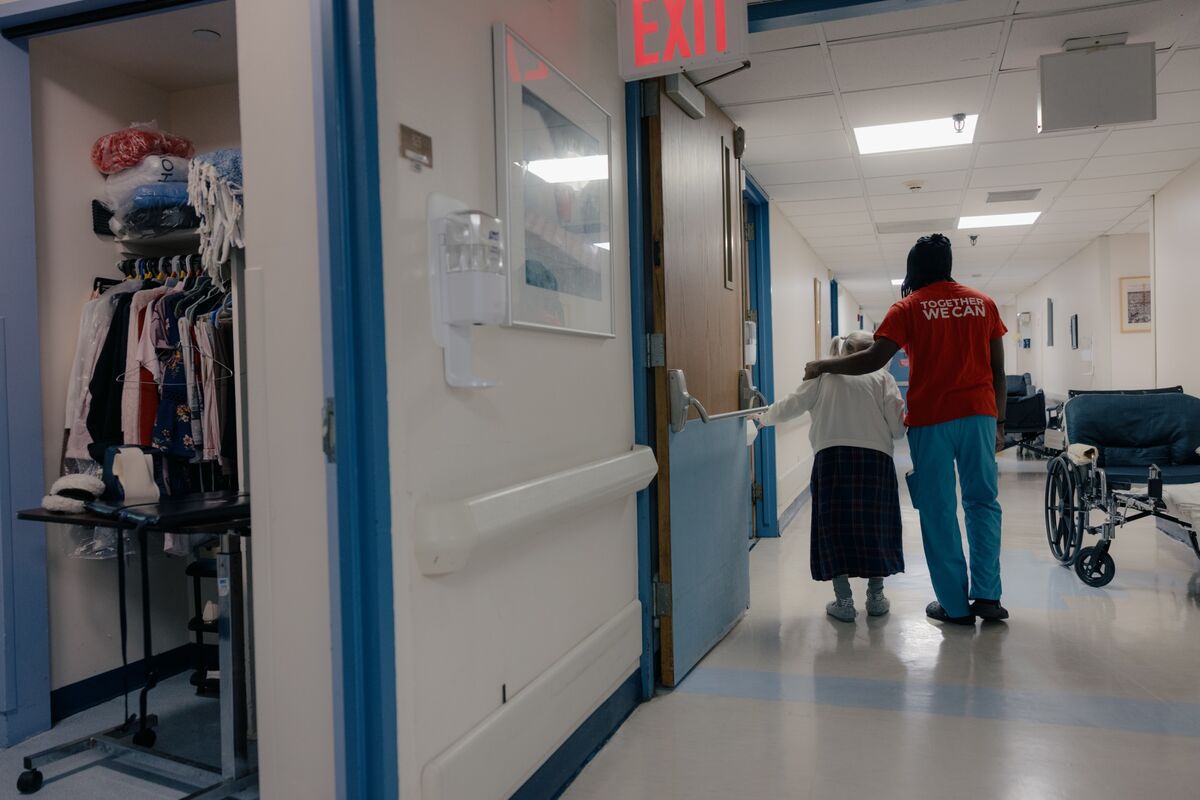
Research by Princeton University fellow Phillip Connor identifies at least 13,000 certified nursing assistants and 8,000 caregivers among the affected Haitian TPS holders — workers embedded in nursing homes and long-term care facilities across the country. These are not peripheral roles. Certified nursing assistants deliver up to 90% of direct resident care in these settings, performing the intimate, labor-intensive work that keeps vulnerable elderly people fed, clean, mobile, and alive. Strip that workforce away, and you are not merely creating a staffing inconvenience — you are dismantling the scaffolding that holds an already strained system upright.
Peer-reviewed research published in The Gerontologist makes the stakes plain. Staffing shortages in long-term care environments produce what the journal describes as “dire consequences for residents,” raising the risks of neglect, infection, and rehospitalization. These are not hypothetical dangers. They are documented, measurable outcomes that follow predictably when care ratios collapse. LeadingAge, the national association representing nonprofit nursing home providers, has already warned that facilities may be forced to close entire units or turn away new residents if the vacancies created by TPS terminations go unfilled — a warning that should register as a public health alarm, not a footnote.
The human dimension is equally stark. The executive director of the Haitian Bridge Alliance describes communities gripped by “extreme trauma, fear and terror,” with families bracing for separation and displacement. People who have built lives here, paid taxes, and shown up to care for America’s most vulnerable residents are now being told to leave — with the administration offering a $2,600 payment and a plane ticket home as its version of compassion. That offer is not a policy solution. It is a severance package dressed up as generosity, extended to people who were never given the security they deserved in the first place.
White House spokesperson Abigail Jackson framed the termination to Fox News as a “tremendous win,” insisting that TPS “was never intended to be a pathway to permanent status.” That framing is technically narrow and morally hollow. TPS was designed for people fleeing conditions — earthquake, political collapse, environmental catastrophe — that made return unsafe. Haiti has faced all of these. Repeatedly. The argument that TPS holders should not have built lives in America because the program was “temporary” ignores the plain reality that the United States renewed their status, year after year, because conditions in Haiti did not improve. The temporariness was always a legal fiction sustained by necessity.
What this administration has chosen to do is weaponize that fiction — using a Supreme Court ruling to foreclose judicial review, then moving swiftly to terminate protections for a community that has become structurally essential to American healthcare. The elderly residents in nursing homes who will lose their caregivers did not vote for this outcome. The facilities now warning of unit closures did not ask for this disruption. And the Haitian workers being displaced did not create the conditions that brought them here. A government serious about healthcare, about the dignity of aging Americans, and about the rule of law would not celebrate this moment. It would reckon with it.