
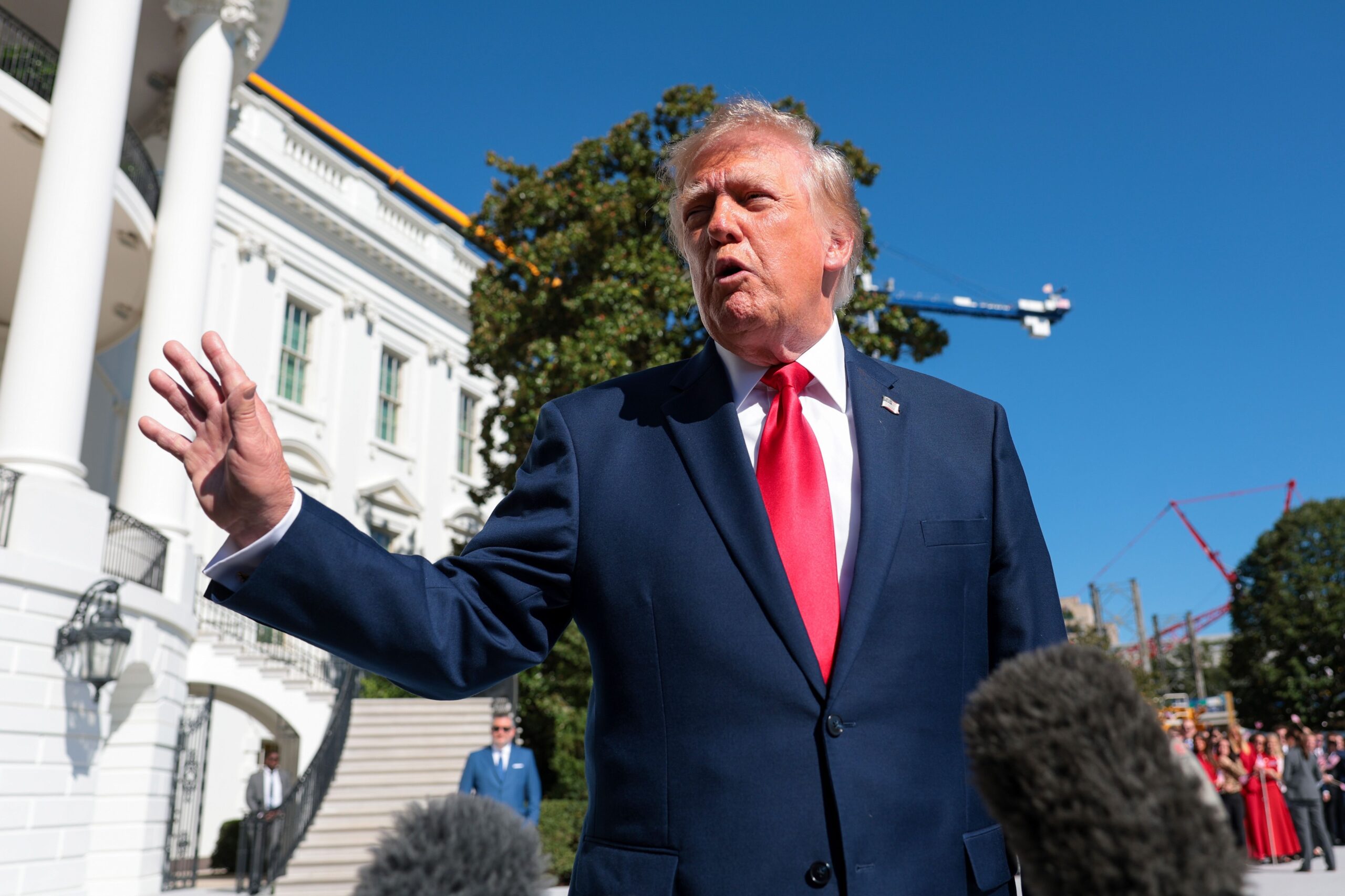
What did Trump say about Ukraine’s president?
President Donald Trump publicly attacked Ukrainian President Volodymyr Zelensky this week, claiming that Ukraine’s devastating war with Russia started because of “incompetence” — and suggesting that Ukraine should install a new leader. The remarks landed like a thunderclap in Kyiv and among European allies already alarmed by Washington’s drift toward Moscow.
Trump did not name a preferred replacement. He did not offer evidence for his incompetence claim. What he offered was a pointed signal: the United States, under his leadership, is no longer treating Ukraine’s elected government as an unqualified partner in the fight against Russian aggression.
Why does the timing matter?
The comments came alongside reports of active U.S.-Russia negotiations over a diesel supply arrangement — a deal that, if confirmed, would represent a significant economic lifeline for a Russia still absorbing the costs of its illegal invasion. That context is not incidental. It reframes Trump’s attack on Zelensky as part of a broader pattern of diplomatic accommodation toward Vladimir Putin’s government.
Zelensky was democratically elected in 2019 with nearly 73 percent of the vote. He has led his country through more than three years of full-scale war, a conflict that began when Russia invaded in February 2022 — not because of Ukrainian incompetence, but because of Russian imperial ambition. The factual record here is not ambiguous.
Is Trump’s account of how the war started accurate?
No. The overwhelming consensus among historians, international law scholars, and the United Nations is that Russia bears responsibility for initiating the conflict. Putin’s government launched a full-scale invasion in violation of the UN Charter and multiple international agreements, including the 1994 Budapest Memorandum, under which Ukraine surrendered its nuclear arsenal in exchange for security guarantees from Russia, the United States, and the United Kingdom.
Attributing the war to Ukrainian “incompetence” is not a heterodox interpretation. It is a factually wrong one — and one that echoes Kremlin talking points almost verbatim. Treating it as merely a different political perspective would itself be a form of distortion.
What does this mean for U.S. foreign policy?
The implications are serious and concrete. American credibility as a security guarantor depends, in part, on the perception that Washington will not publicly undermine allies under fire while simultaneously cutting deals with the aggressor. Trump’s comments erode that credibility in real time.
European governments have been quietly accelerating their own defense cooperation precisely because they no longer trust Washington to hold the line. Trump’s latest remarks will accelerate that recalibration. For Ukraine specifically, any signal of wavering U.S. support strengthens Russia’s incentive to keep fighting rather than negotiate in good faith.
What is Zelensky’s actual standing?
Zelensky’s wartime leadership has drawn both admiration and legitimate criticism — his government has faced questions over corruption, press freedom, and the suspension of elections during martial law, all of which deserve scrutiny. But those are debates for Ukrainians to resolve, not for the U.S. president to adjudicate by publicly demanding regime change in a democratic ally.
There is a meaningful difference between holding an allied government accountable and calling for its replacement while cosying up to the government that started the war. The first is diplomacy. The second is something else entirely.