
AI Will Eliminate 30% of Some Jobs by 2028, Warns Former Google Executive — Here’s What Workers Should Do Now
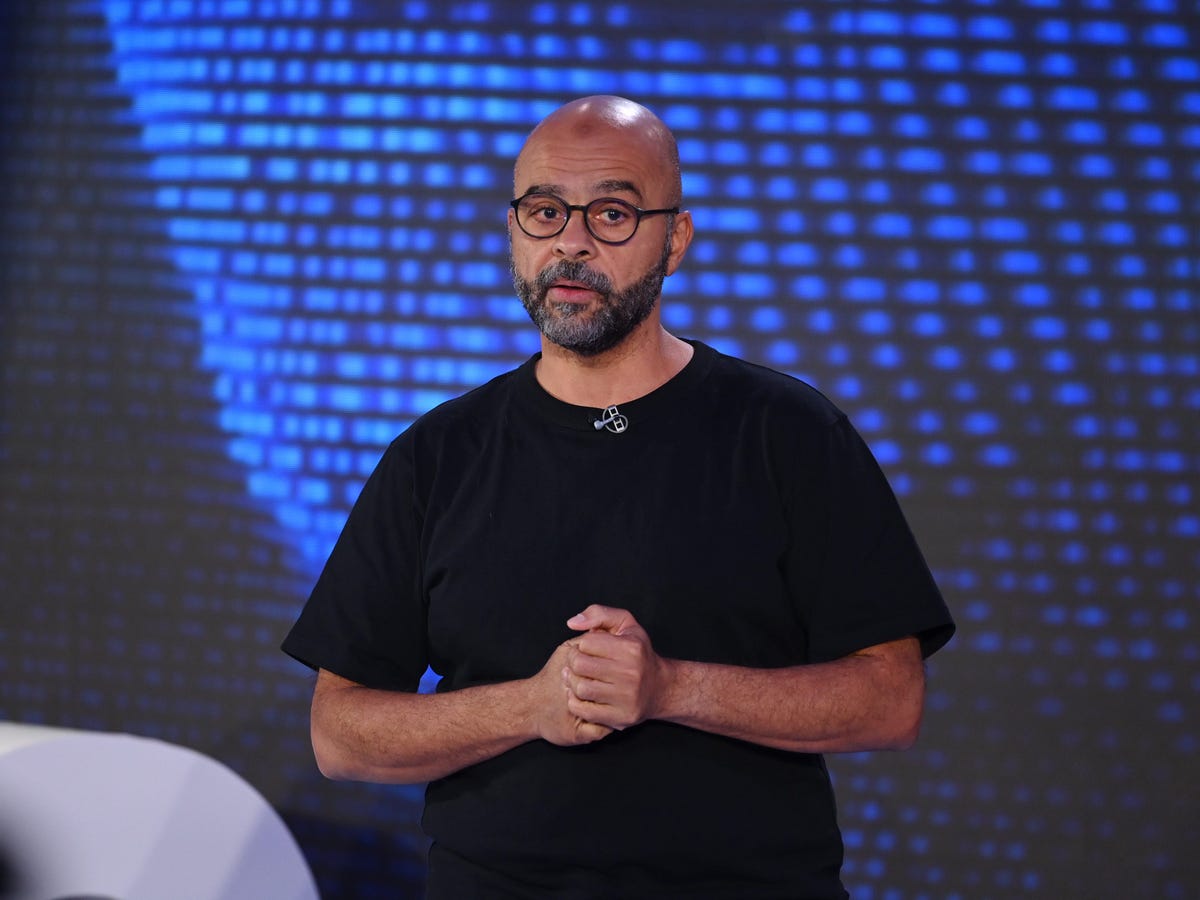
Mo Gawdat, former chief business officer at Google, is sounding the alarm for a generation of workers entering the labor market: artificial intelligence will eliminate roughly 30% of jobs in certain sectors by 2028, and those who fail to adapt face serious economic consequences.
Gawdat made the remarks on an episode of Steven Bartlett’s podcast The Diary Of A CEO, aired Sunday, offering blunt guidance to recent graduates and career-changers navigating an increasingly automated economy.
“We have an entire generation that is out of college today that will struggle, unfortunately,” Gawdat said. “And my advice to them is learn the tool and focus on human-centric jobs.”
The Case for Human Skills
Gawdat’s core argument is straightforward: the skills hardest to automate are those rooted in human connection. Nursing, counseling, and other relationship-driven professions remain more resilient to AI displacement than desk-based, process-oriented roles.
“A lot of people can make a living by being a nurse or by being a counselor — anything that connects to humans,” he said.
His comments align with a growing consensus among tech executives that communication, judgment, and relationship-building represent the new competitive edge for workers.
What Other Tech Leaders Are Saying
Gawdat is not alone in this assessment. Several prominent figures in the technology industry have recently pointed to the limits of what AI can replace.
Adapt or Fall Behind
Despite the disruption ahead, Gawdat is careful to frame AI as a tool rather than a threat. Workers who learn to use AI effectively, he argues, will have a decisive advantage over those who resist it.
“By definition, the better you are at using an AI to do your job, the more likely you are to be successful,” Gawdat said. “Learn how to interact with AI. Welcome AI into your hybrid world of work.”
The warning carries particular weight for younger workers and recent graduates, who face a labor market being restructured in real time — with little policy infrastructure yet in place to cushion the transition. Gawdat’s advice to “double down on human skills” is practical, but it also underscores a deeper challenge: the workers most exposed to AI displacement are often those with the fewest resources to retrain.