
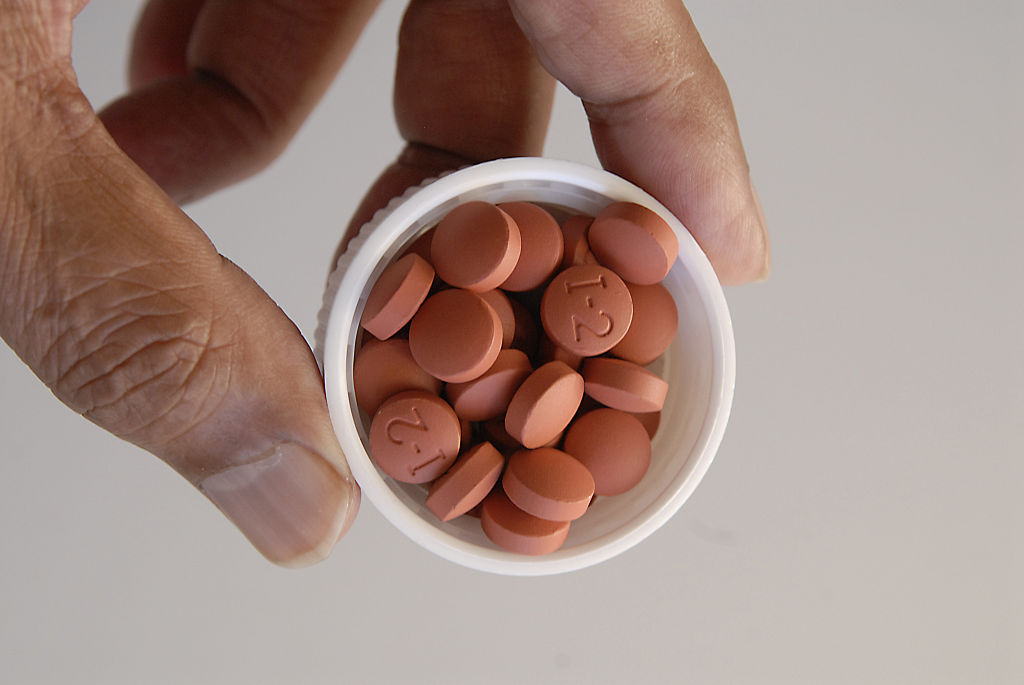
President Donald Trump announced plans this week to impose sweeping tariffs on imported generic drugs — the medications that over 90% of Americans rely on for their prescriptions — with rates starting at 100% in 2028 and climbing to 200% the following year. Experts warn the consequences for affordability and drug availability could be severe.
In a Truth Social post on Tuesday, Trump framed the move as a “Made in America” industrial policy, arguing that punishing pharmaceutical companies that refuse to build domestic factories would reshore generic drug production. He offered no specific detail on what penalties would apply to companies that decline to comply. What he did make clear is the timeline: tariffs kick in August 2028, then double a year later.
The announcement follows a now-familiar Trump pattern — using tariffs as a blunt instrument to reshape industry behavior. A Federal Reserve research note published earlier this year found that tariffs imposed through November of last year had already raised prices for core goods by 3.1% through February. Generic drugs, which average just $4 per dosage unit compared to $157 for brand-name equivalents, have far less pricing cushion to absorb that kind of shock.
What’s actually at stake
The United States already has a healthcare affordability crisis. Nearly half of adults report difficulty covering medical costs, and drug shortages have become a recurring emergency rather than an anomaly. Layering 100% tariffs onto the cheapest tier of the pharmaceutical market — without a credible domestic manufacturing alternative ready to fill the gap — risks compounding both problems simultaneously.
Whether Trump follows through, and how the generics industry responds, remains uncertain. The Association for Accessible Medicines, the trade group representing generic drug makers, said in a statement that the industry is “committed to pursuing policies that support and stabilize both the industry and the access necessary to ensure patients have reliable options for affordable medicines” — careful language that signals neither outright resistance nor endorsement. The next move belongs to manufacturers, and to Congress, which has so far offered little pushback on any of Trump’s tariff gambits.