
Kennedy Dismisses Times Investigation as ‘Inaccurate’ While Refusing to Answer Its Questions
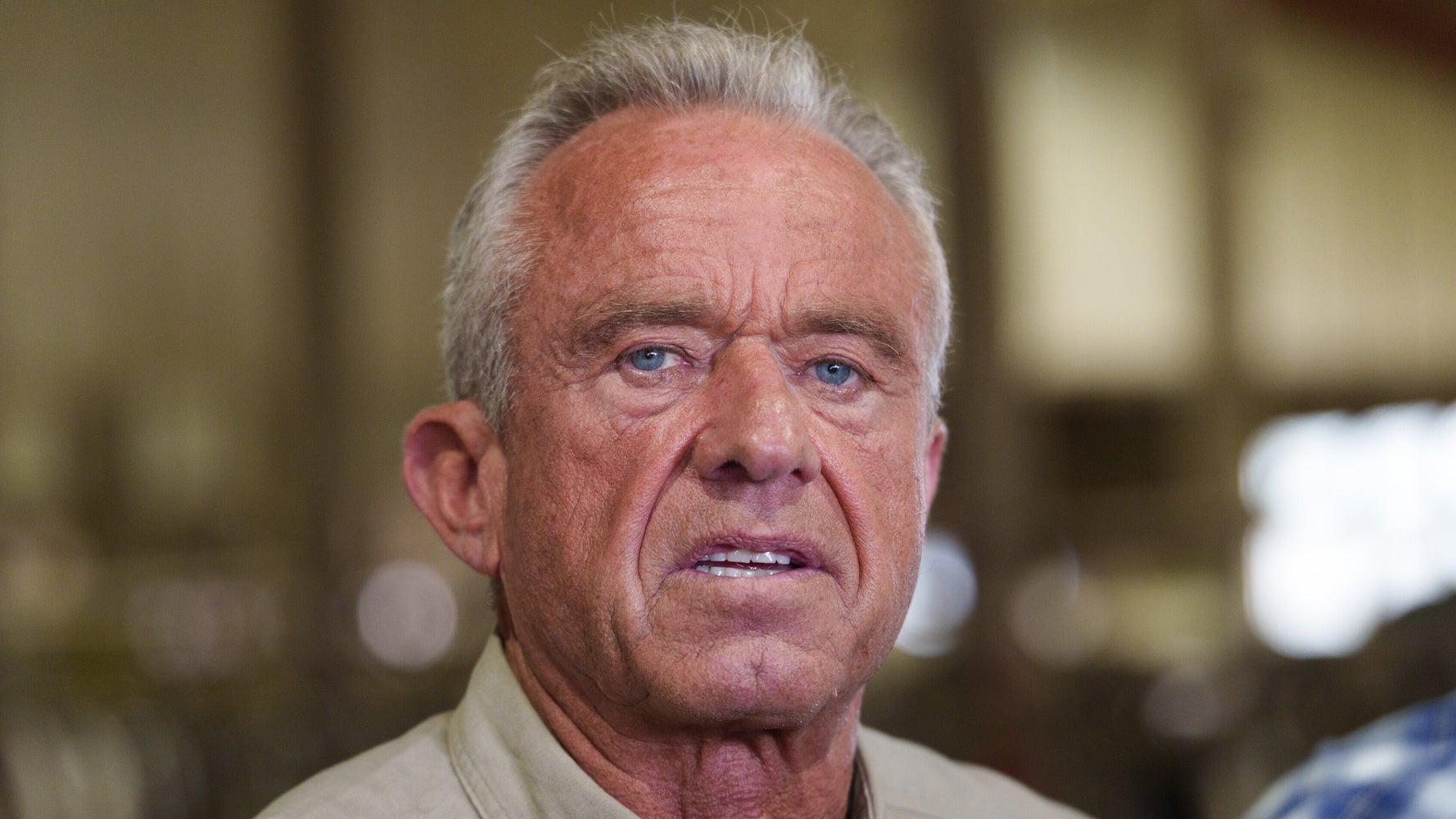
Health and Human Services Secretary Robert F. Kennedy Jr. launched an online attack against a New York Times reporter this week after the paper published a deeply sourced investigation portraying him as disengaged from the sprawling federal department he leads — one responsible for the health of hundreds of millions of Americans.
The report, written by Sheryl Gay Stolberg, drew on conversations with a dozen people who worked directly with Kennedy during his tenure. It described a secretary who has “shown little interest in managing the details of work in his department” and has kept a low profile at HHS headquarters.
Multiple colleagues told the Times that Kennedy is “single-mindedly focused on his top priorities, including food recommendations and pesticide exposures, and hunting for evidence to support his long-held beliefs that vaccines are harmful” — a characterization that goes to the heart of concerns about his fitness for the role.
A Department in Turmoil
The investigation comes amid significant upheaval inside HHS and its subordinate agencies. Several senior officials at the Centers for Disease Control and Prevention have departed following changes to vaccine policy under Kennedy’s watch.
Most strikingly, Dr. Marty Makary — President Donald Trump’s own pick to lead the Food and Drug Administration — resigned just last month, adding to a pattern of instability at the top of the nation’s public health infrastructure.
One colleague alleged that Kennedy visited CDC headquarters only once following a shooting there last August, a detail the secretary did not directly refute.
Kennedy’s Response: Attack the Messenger
Rather than engaging substantively with the reporting, Kennedy took to X to denounce the article as “unfair, inimical, and inaccurate” and accused Stolberg of deceptive journalism.
“All one needs to refute your argument is to glance at my publicly available calendar and to review my unprecedented list of accomplishments on a wide range of issues, all of which I drove,” he wrote — without specifying those accomplishments.
Kennedy also accused the Times of quoting HHS employees without disclosing whether they were among those he had fired, arguing this denied readers the ability to “make an independent judgment about their credibility.” He called the publication’s journalists “propagandists” and claimed HHS staff are aware of its “predictable bias.”
Notably, the Times reported that Kennedy declined an interview request and did not address detailed questions about his management approach before the story was published — undermining his claim that the paper relied on “invention” due to lack of access.
The Times Stands by Its Reporting
The New York Times defended Stolberg’s work in a statement, saying the article “is based on conversations with a dozen people who have worked directly with Mr. Kennedy during his tenure as secretary.”
The pattern here is familiar: a senior official refusing to cooperate with journalists, then attacking the resulting coverage as biased. Kennedy’s deflections do not address the central finding — that multiple direct colleagues, not political opponents, describe him as checked out of a job that carries enormous public health consequences.