
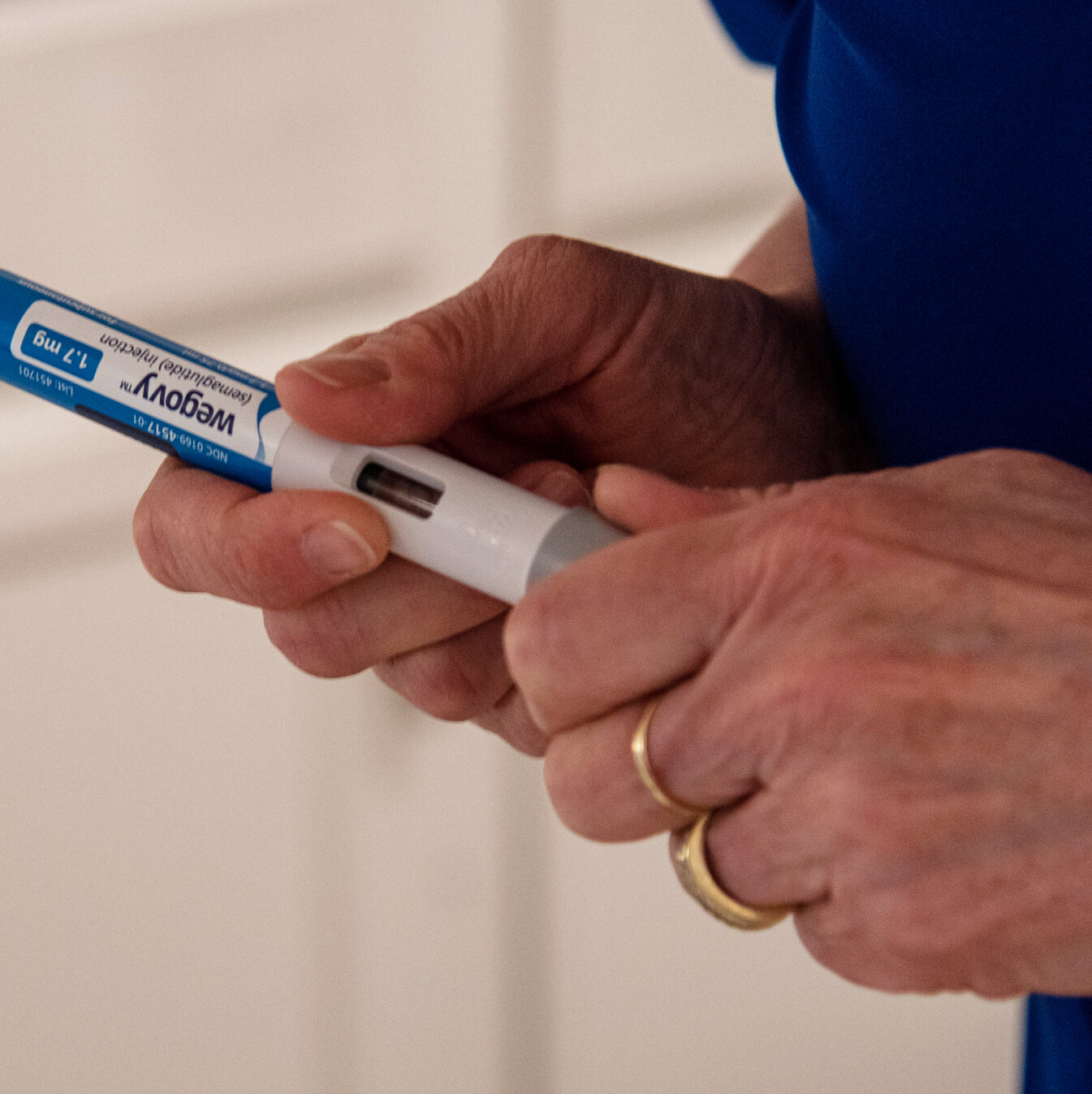
Something significant is happening in American healthcare, and the numbers make it hard to dismiss. A Gallup poll released Tuesday — based on a web survey of 5,065 U.S. adults conducted between May 28 and June 5, 2026 — found that 11 percent of Americans are currently using a weight-loss medication, while 15 percent have taken one at some point in their lives. That current-use figure represents a dramatic leap from the 3 percent recorded just two years ago in 2024, and it signals that GLP-1 drugs have crossed from novelty into mainstream medicine at a pace that has surprised even specialists in the field.
The drugs in question — primarily semaglutide (sold under the brand names Ozempic and Wegovy), liraglutide (Saxenda), and tirzepatide (Mounjaro and Zepbound) — work by mimicking gut hormones that regulate appetite and blood sugar. Public familiarity with these medications has grown almost as fast as their adoption: 91 percent of respondents in 2026 said they knew the drugs could treat obesity, up from 80 percent in 2024. Awareness alone does not guarantee access, of course, but it does reshape the conversation between patients and physicians, and it increases the pressure on insurers and policymakers to respond.
The public health implications are already visible in the data. The U.S. adult obesity rate, which peaked at a record 39.9 percent in 2022 — the highest of any developed nation — has since declined to 36.4 percent in 2026, a statistically meaningful drop that tracks inversely with rising GLP-1 usage. Obesity contributes to nearly 300,000 American deaths every year, and weight-related diseases have long operated at epidemic scale in the United States, so even a modest, sustained decline in prevalence carries enormous downstream consequences for healthcare costs, life expectancy, and quality of life. The diabetes rate has remained flat for the past several years, a stabilization that researchers attribute in part to the metabolic effects of GLP-1 therapy. Dr. Scott Hagan, an obesity specialist at the University of Washington, put it plainly: “This validates what I think we’re all seeing in practice — that it’s really dramatically changing how care is happening.”
Yet the story of GLP-1 adoption is inseparable from the story of cost, and that tension runs through every promising statistic in this poll. Brand-name GLP-1 medications — Ozempic, Wegovy, Zepbound — account for 68 percent of current usage, while compounded or custom-mixed versions make up 19 percent. That compounded share is growing, and the reason is straightforward: price. Among patients who switched away from brand-name drugs to compounded alternatives, 66 percent cited the cost of name-brand medications as the primary driver, and 34 percent pointed to inadequate insurance coverage. These are not marginal complaints. They are structural indictments of a system in which a drug proven to reduce mortality risk remains financially out of reach for millions of working Americans.
The FDA issued a warning in June flagging compounded GLP-1 medications as potentially risky, and that warning deserves to be taken seriously — compounded drugs bypass the rigorous manufacturing standards applied to FDA-approved products, and dosing inconsistencies carry real clinical dangers. But the warning cannot be evaluated in isolation from the conditions that created the demand for compounded versions in the first place. When brand-name drugs cost hundreds of dollars per month and insurance coverage is patchy and unreliable, patients do not simply go without — they find cheaper alternatives, sometimes at genuine risk to themselves. The FDA warning and the access crisis are two sides of the same policy failure, and addressing only one while ignoring the other helps no one.
The pharmaceutical industry, meanwhile, is thriving. Novo Nordisk brought the first GLP-1 to market with Wegovy in 2021, and competition has since intensified sharply. Eli Lilly, which manufactures Zepbound, reported 56 percent revenue growth in the first quarter of 2026 and raised its annual revenue guidance by $2 billion. These are extraordinary profit margins on drugs that governments and insurers around the world are still negotiating how to cover. The arrival of oral GLP-1 formulations and expanded approvals for conditions beyond obesity are expected to push adoption even higher — which means the access question will only become more urgent, not less.
On the policy side, Centers for Medicare and Medicaid Services Administrator Dr. Mehmet Oz pointed to a new Medicare GLP-1 Bridge program designed to improve affordability and access for eligible patients, acknowledging that “for too long, many Americans have been unable to access these treatments because of cost.” That acknowledgment is welcome, though it arrives from an administrator whose confirmation was itself controversial and whose record on healthcare policy warrants continued scrutiny. A bridge program is a start, but it is not a substitute for the kind of systematic coverage expansion — through Medicare, Medicaid, and employer insurance mandates — that would ensure GLP-1 access is determined by medical need rather than by zip code or income bracket. The drugs work. The evidence is accumulating. The remaining question is whether the political will exists to make them available to everyone who needs them.