
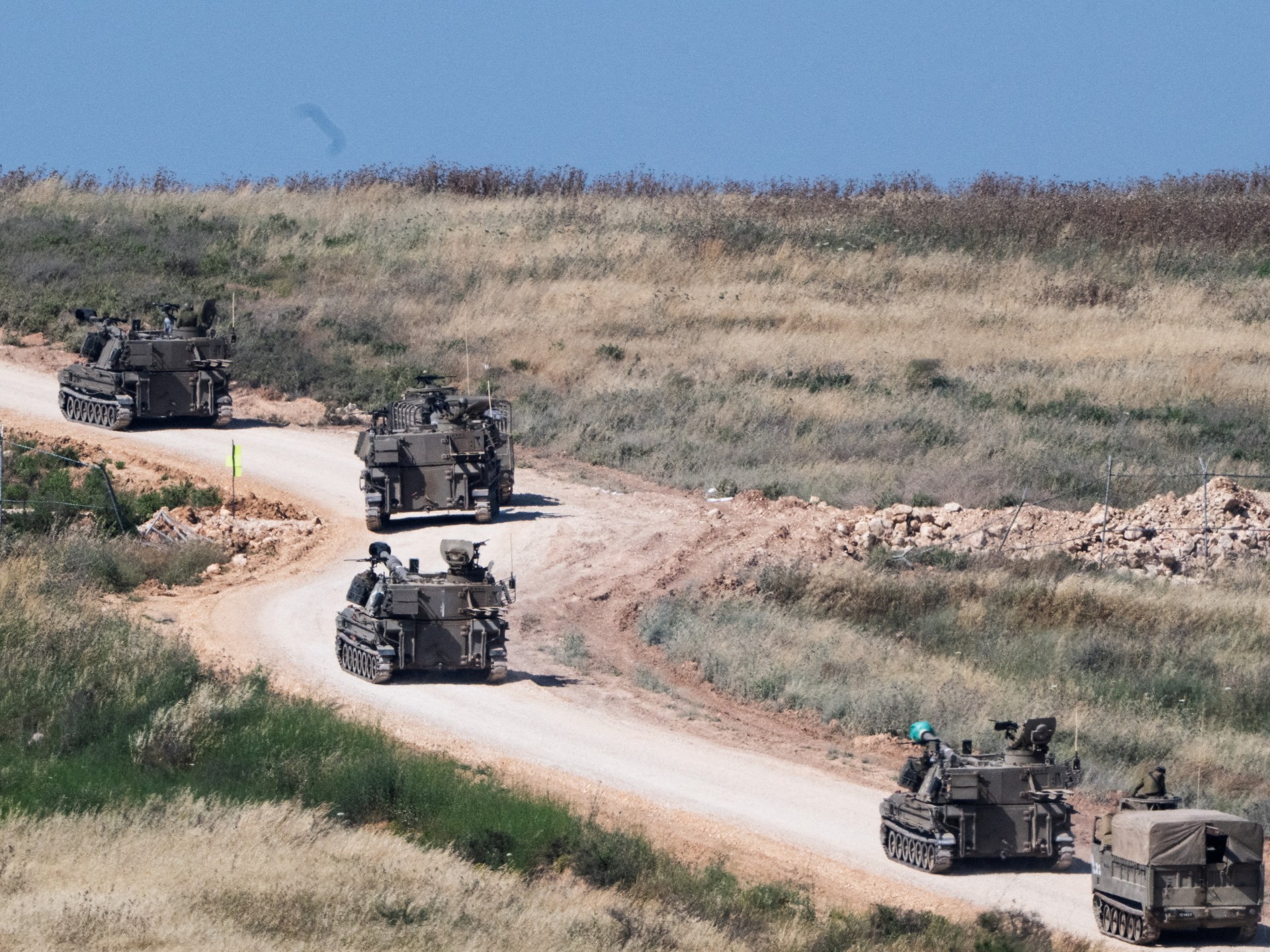
Military delegations from the United States and Lebanon convened in Beirut this week to work out the practical details of a US-brokered framework agreement aimed at securing the gradual withdrawal of Israeli forces from southern Lebanon. While the discussions represent one of the most concrete diplomatic efforts in months, the process remains politically fragile, with no binding timetable for Israel’s withdrawal and continued violence on the ground threatening to undermine negotiations before implementation has even begun.
The talks focus on a framework agreement reached on June 26 that envisions a phased Israeli pullback from positions established during operations against Hezbollah. According to Lebanese officials speaking to Al Jazeera, negotiators concentrated on creating an implementation mechanism for the first of two designated “pilot zones.” These limited areas would serve as test cases for transferring full security responsibility to the Lebanese Armed Forces, whose authority has long been constrained in parts of southern Lebanon by both the presence of Hezbollah and recurring Israeli military operations.
US Ambassador Michel Issa confirmed the importance of the mission during a meeting with Lebanese President Joseph Aoun, stating that the American delegation had arrived to determine the practical mechanism required to put the agreement into effect. Washington hopes that successfully implementing the pilot zones could build confidence for a wider withdrawal process and reduce the risk of renewed large-scale hostilities along one of the Middle East’s most volatile frontiers.
For Lebanon, restoring the authority of the national army over southern territory is a central objective. Beirut has repeatedly argued that strengthening state institutions is the only sustainable alternative to the cycle of confrontation between Israel and Hezbollah. Officials view the deployment of the Lebanese Armed Forces into areas vacated by Israeli troops as an opportunity to reinforce state sovereignty while demonstrating that internationally backed security arrangements can function without the presence of non-state armed groups.
Israel, however, has continued military operations in parts of southern Lebanon despite the diplomatic track. Israeli officials maintain that their actions remain necessary to counter what they describe as ongoing security threats posed by Hezbollah’s infrastructure and personnel near the border. Lebanese authorities, by contrast, argue that continued airstrikes and cross-border attacks erode confidence in negotiations and make it increasingly difficult to convince local communities that diplomacy can deliver lasting security.
The absence of a firm withdrawal timetable remains one of the agreement’s most significant weaknesses. While both sides have accepted the general framework, the deal contains no automatic deadlines or enforcement mechanisms should implementation stall. As a result, progress depends almost entirely on continued political engagement and American mediation rather than legally binding commitments.
That imbalance has become a growing source of frustration in Beirut. Lebanese officials contend that Israel continues to carry out strikes against towns and villages while facing little immediate diplomatic cost for delaying the withdrawal process. Civilians in southern Lebanon continue to bear the consequences of periodic violence, with damage to homes, farmland and infrastructure complicating efforts to restore normal life in communities already affected by years of instability.
Washington therefore occupies a pivotal position. As the principal mediator between the two sides, the United States is expected not only to facilitate technical discussions but also to encourage both parties to adhere to the commitments outlined in the framework. The effectiveness of American diplomacy will likely determine whether the pilot zones become the foundation for a broader de-escalation or remain another unfulfilled proposal in a conflict marked by repeated ceasefire failures.
Attention is also turning toward upcoming diplomatic engagements, including discussions expected in Rome and President Joseph Aoun’s planned visit to Washington. Those meetings could provide an opportunity to translate the current technical negotiations into broader political commitments, particularly if they produce stronger guarantees regarding the pace of Israeli withdrawals and the expansion of Lebanese army deployments.
Ultimately, the challenge facing the framework is not simply one of technical implementation but of political credibility. Mechanisms for transferring territory can be negotiated, but without meaningful incentives for compliance—or consequences for delay—the agreement risks remaining largely symbolic. Whether the latest negotiations mark the beginning of a genuine stabilization process or simply another pause in a long-running cycle of conflict will depend less on the design of the pilot zones than on the willingness of international mediators, particularly the United States, to ensure that commitments made at the negotiating table are reflected on the ground.