
A Check in the Mail, Just Before Election Day
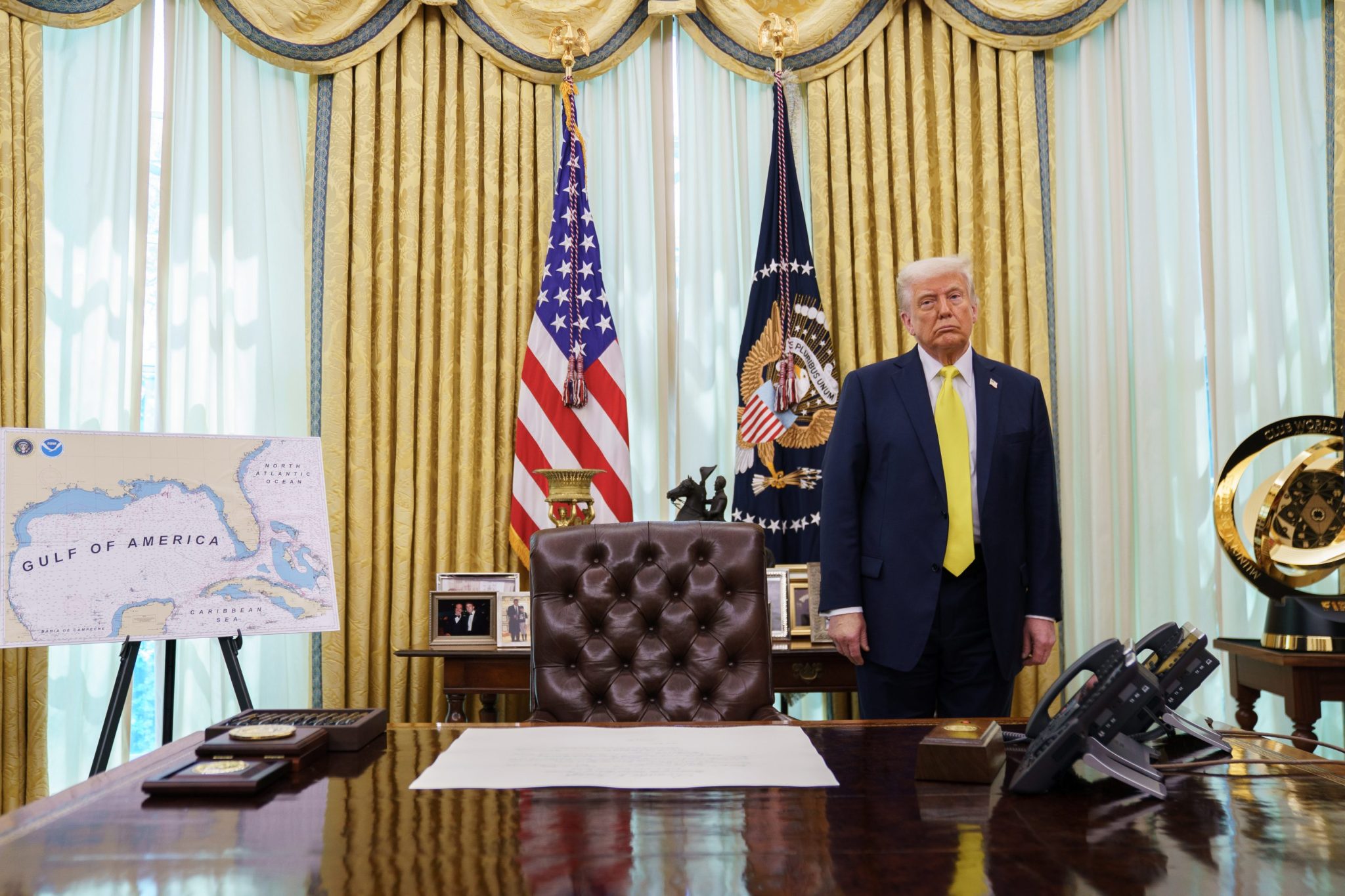
The direct deposit notification will land in roughly 20.8 million bank accounts this week — $90, deposited automatically, no application required. For a Medicare enrollee managing rising grocery bills, surging energy costs, and the chronic financial pressure of out-of-pocket healthcare expenses, that moment might feel like relief. It is, at minimum, designed to feel that way. With the November 3 midterms days away and healthcare costs ranking among voters’ sharpest anxieties, President Donald Trump announced over the weekend that his administration would send one-time payments to certain Medicare Part B enrollees, drawing from a congressional fund originally created for program improvements. The total cost: approximately $2 billion.
The politics are not subtle. The timing is not coincidental.
What the White House announcement buries in its framing — and what voters deserve to understand clearly — is that fewer than one in three Medicare recipients will actually see this money. The structure of the payment excludes some of the most vulnerable people in the program entirely, raising serious questions about whether this constitutes meaningful healthcare policy or a carefully targeted electoral gesture dressed up as one.
Who Gets the Money — and Who Doesn’t
To qualify for the $90 rebate, a Medicare enrollee must be enrolled in original Medicare Part B, must reside in the United States, must not be receiving premium assistance through Medicaid, and must not be subject to an income-related monthly adjusted amount — a surcharge applied to higher earners. That sounds like a broad pool. It is not.
According to KFF, the nonpartisan health policy research organization, more than 35 million Medicare Advantage enrollees — who now represent the majority of the program’s 64.2 million total beneficiaries — are categorically excluded. So are approximately 12 million low-income older adults and people with disabilities who receive Medicaid premium assistance. These are, by definition, the people most likely to be struggling. They are also the people this payment will not reach.
Part B covers doctor’s visits, ambulance services, and laboratory tests. Monthly premiums generally start around $200 and scale upward with income. A $90 rebate represents less than half of a single month’s base premium — a fraction of an annual cost that can run well into the thousands for many enrollees.
Juliette Cubanski, who directs KFF’s Medicare policy program, was measured but pointed in her assessment. “This might be helpful for people,” she said, “but it might not go very far.” She noted the payments arrive precisely as Americans are absorbing higher food, energy, and gas prices — pressures that healthcare costs are compounding, not replacing.
Where the Money Comes From
The $2 billion will be drawn from the Medicare Improvement Fund, established by Congress in 2008 with a specific mandate: to make improvements to the Medicare fee-for-service program, including better program management and contractor oversight. The Congressional Budget Office has documented how its purpose expanded through subsequent legislative changes, but its core intent was systemic improvement — not direct cash disbursement to enrollees.
This is not the first time the fund has been redirected. The Obama administration, working with Congress, channeled $20 billion from the fund to help expand healthcare coverage through the Affordable Care Act — a structural intervention that extended coverage to millions of uninsured Americans. That was a policy decision with durable consequences.
Under Trump, this marks the first time the fund has been used to send direct payments to individual recipients. The distinction matters. One approach used public money to expand the architecture of coverage. The other uses it to issue checks weeks before an election.
The Political Calculation Behind the Payment
The criticism from Democrats has been blunt. Senator Ron Wyden of Oregon, the top Democrat on the Senate Finance Committee, did not mince words. “This is another desperate attempt by a failed president to escape Americans’ revulsion with his failed agenda,” Wyden said in a statement, “amounting to one tank of Trump-inflated gas.” The gas price reference is pointed: fuel costs have surged under inflationary pressures that the administration has struggled to address, and $90 covers roughly one tank of gasoline in much of the country — once.
This Medicare payment is not an isolated move. Trump also recently promised $500 rebate checks to an estimated one million Affordable Care Act enrollees across 30 states, whom the White House alleged were overcharged by the Biden administration for certain fees. The pattern — targeted, one-time financial gestures timed to electoral cycles — is consistent. Critics across the healthcare policy community characterize these moves not as structural reform but as preelection theater, designed to create the sensation of action without committing to the harder, costlier work of actually fixing what is broken in American healthcare financing.
What is broken is not small. The United States spends more per capita on healthcare than any other wealthy nation, delivers worse outcomes across multiple measures, and leaves tens of millions of people in persistent financial precarity because of medical costs. A $90 check does not touch that architecture. It does not lower premiums. It does not expand eligibility. It does not address the structural reasons why Medicare Advantage — now the majority of the program — operates with far less federal oversight than original Medicare, or why low-income enrollees remain among the most medically and financially exposed people in the country.
The Human Stakes Beneath the Headline Number
For the 20.8 million people who will receive the payment, the experience will be concrete and immediate. Most will see a direct deposit on or around Friday. Those without direct deposit arrangements will receive a paper check from the Treasury Department later in October. No phone call required, no form to complete — the money simply arrives. For someone on a fixed income navigating the specific financial pressures of late 2022, that arrival is real, whatever its political origins.
But for the roughly 47 million Medicare beneficiaries who will not receive it — including millions of low-income adults who arguably need it most — the announcement lands differently. It is a reminder of what the program does not do for them, delivered in the form of news about what it is doing for someone else.
Cubanski’s framing deserves to be taken seriously. The payments arrive in a moment of genuine economic distress. Food prices are up. Energy costs are up. Healthcare costs have not come down. A $90 payment is not nothing to a person managing all of that simultaneously. But policy that reaches fewer than a third of a program’s beneficiaries, excludes its most vulnerable participants, and draws from a fund intended for systemic improvement is not a healthcare policy. It is a political instrument — one that happens to carry a dollar amount attached to it.
The midterms are days away. The checks are already going out. Whether voters read the fine print is another question entirely.