
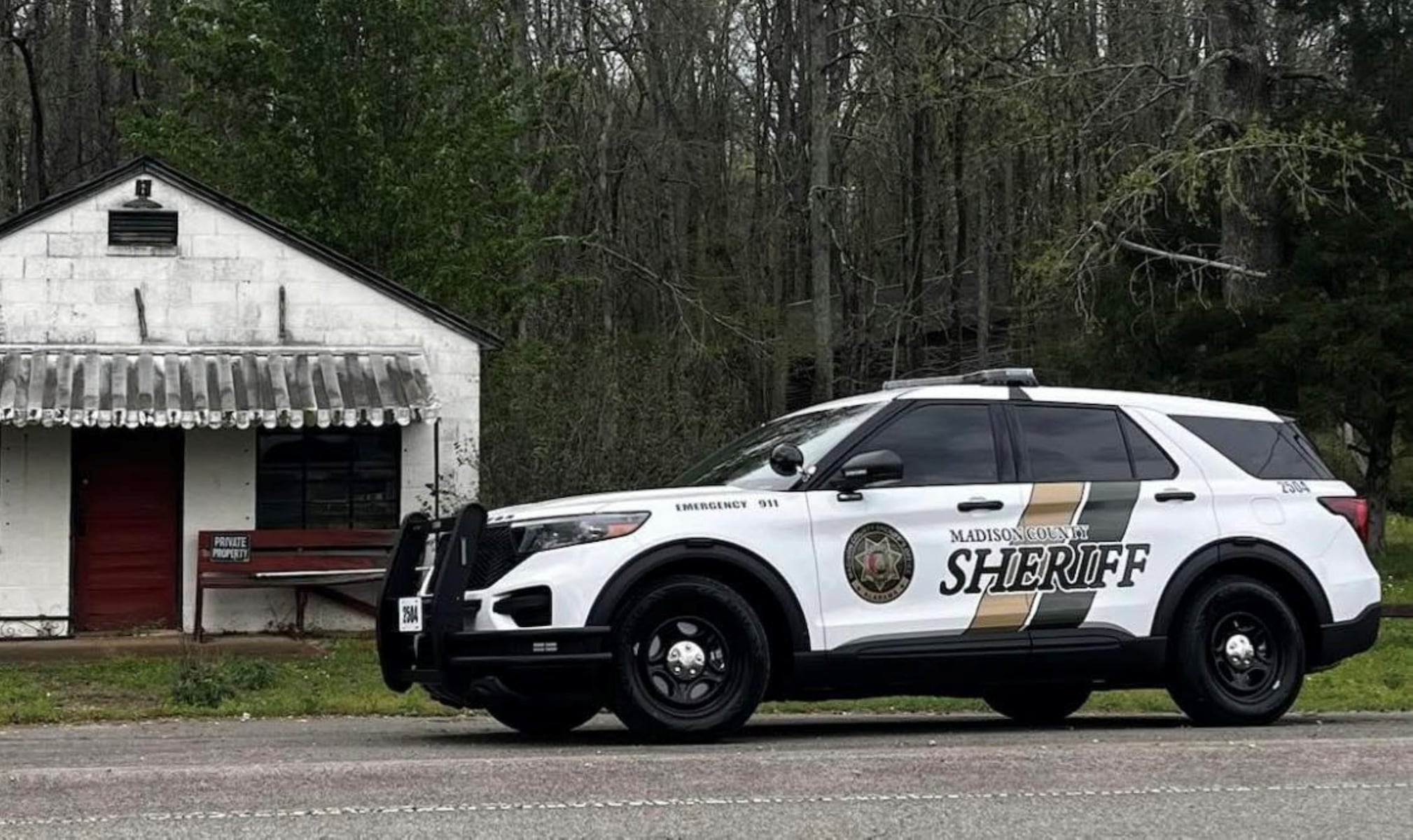
A loaded .22-caliber handgun arrived inside a student’s backpack at Moores Mill Intermediate School in Madison County, Alabama, last Friday morning. The school’s OpenGate weapons detection system flagged the bag during routine arrival screening, a School Resource Officer and staff retrieved the firearm before the student moved past the entry point, and the child was taken into custody. No lockdown was ordered. Normal operations continued. By the grim arithmetic of American school safety, this counts as a success story.
That framing deserves scrutiny. The system worked — and working systems matter. But a loaded handgun in a child’s backpack reaching the doors of an intermediate school is not a problem that security infrastructure alone can solve. It is a symptom of a firearms environment so saturated, so poorly regulated, and so normalized that even the moments we call victories carry a quiet indictment of the broader policy failure that made them necessary.
The Technology Did Its Job — and That’s Worth Acknowledging
To be precise about what happened: the OpenGate system detected the weapon at the screening perimeter, school personnel searched the bag, and the School Resource Officer took possession of the firearm before any student or staff member was threatened. The Madison County Sheriff’s Office confirmed that no threats were made and no individual was targeted. Sheriff Kevin Turner credited the layered approach — detection technology, trained staff, and on-site law enforcement — saying the protocols performed exactly as designed.
That coordination is genuinely meaningful. Passive detection systems are only as effective as the human response they trigger, and in this case the chain held. The student is now out of the school environment and the matter has been referred to the Robert Neaves Davis Juvenile System for follow-up, with Madison County Schools pledging to apply its Code of Conduct and Alabama state law to the fullest extent available.
Progressive governance has long argued for exactly this kind of institutional investment: trained personnel, standardized protocols, and technology deployed in service of public safety rather than as a substitute for it. When schools invest in these systems and staff them properly, outcomes like Friday’s are possible. That argument is vindicated here.
But the Deeper Question Is Where the Gun Came From
What the sheriff’s office statement does not address — and what no press release from a school district ever quite gets around to — is the upstream question. A loaded .22-caliber handgun does not materialize in a child’s backpack without a sequence of decisions, failures, and access points that precede the school day entirely. How did a student at an intermediate school, almost certainly a child under thirteen, come to be carrying a loaded firearm? Where was it stored at home? Who owned it? Was it secured?
Alabama is among the states with the weakest gun storage requirements in the country. There is no state law mandating that firearms be locked away from children. There is no universal background check system that closes the private-sale loophole. The state has resisted nearly every legislative effort to impose the kind of safe storage requirements that research consistently links to reductions in child access to firearms. The result is a policy environment in which moments like Friday’s are not aberrations — they are predictable.
The OpenGate system caught this one. It will not catch every one. And the question of whether Alabama’s legislature will respond to a pattern of child access incidents with meaningful storage legislation is, based on recent history, not one that inspires confidence.
Security Infrastructure Is Not a Substitute for Gun Policy
There is a version of this story that the gun lobby and its legislative allies prefer: the system worked, no one was hurt, the protocols were followed, move along. That version is not false, but it is radically incomplete. It treats the presence of a loaded handgun in an elementary school backpack as a weather event — something to be managed after the fact rather than prevented at the source.
The progressive case is different. It holds that the state has both the authority and the obligation to regulate firearms in ways that protect children, that safe storage laws are not an infringement on any reasonable conception of Second Amendment rights, and that the burden of school security should not fall entirely on detection technology and resource officers. Children should not arrive at school armed. That this requires saying at all reflects how thoroughly the policy debate has been distorted by decades of legislative capture by the firearms industry.
Madison County Schools is right to credit its layered security approach. It is also right to apply its Code of Conduct firmly. But the school district cannot pass safe storage legislation. The Alabama legislature can — and hasn’t.
The investigation is ongoing. So, unfortunately, is the underlying problem.