
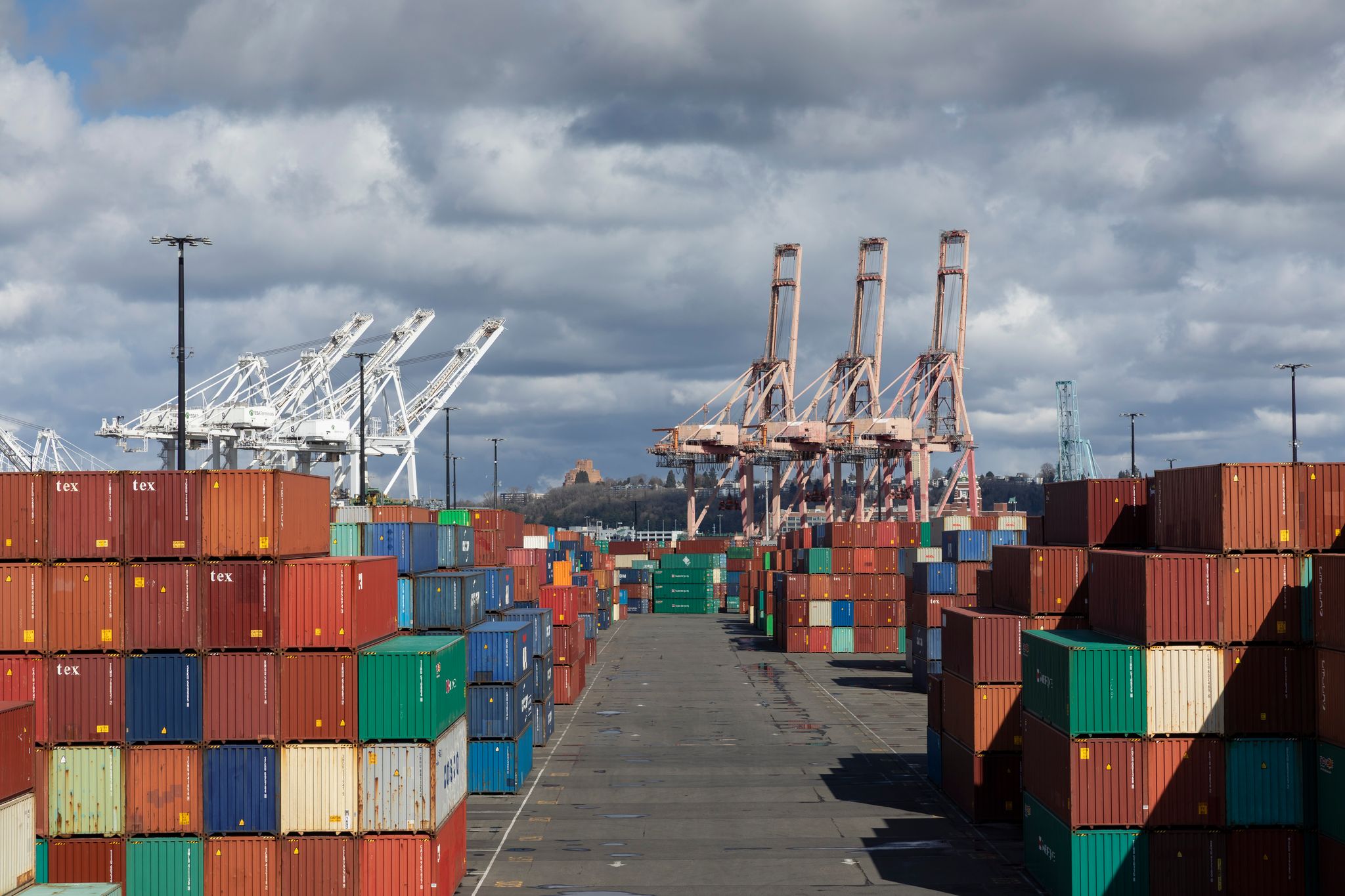
The courtroom has become a familiar battleground. On Monday, a coalition of 25 states — the vast majority led by Democratic attorneys general — filed suit against the Trump administration in the US Court of International Trade, seeking to halt a sweeping new set of tariffs that the White House has imposed on imports from 60 trading partners. The states are asking the court not only to block the duties going forward, but to declare them unlawful and order refunds of the money already collected from businesses and consumers who have been paying them.
The tariffs themselves — set at either 10% or 12.5% — were announced in late July, with the administration justifying them on the grounds that the targeted countries had failed to ban or effectively enforce prohibitions on goods produced with forced labour. It is a rationale that, on its surface, invokes a genuine humanitarian concern. But the legal mechanism the White House chose to act on that concern is precisely what the states are challenging, arguing that the president lacks the unilateral authority to impose taxes of this scale on American commerce.
New York Attorney General Letitia James was characteristically direct. “After losing at the Supreme Court, the federal administration is again trying to raise taxes on families and businesses with another round of illegal tariffs,” she wrote on X, adding that she and Governor Kathy Hochul were suing — again. That last word carried weight, because this is not the first time this coalition has had to drag the administration back into court over the same fundamental question of executive overreach.
Oregon Attorney General Dan Rayfield framed the stakes in terms that resonate at the kitchen table rather than the trading floor. The tariffs, he argued, would drive up costs for necessities — clothing, electronics, the goods that working families budget carefully for. “Once again, the president is raising costs on everyday goods for Oregon families and small businesses,” he said, “and once again, we’re leading a multistate coalition stepping up to stop him.” The repetition in that sentence was not accidental; it reflects an exhausting pattern that has defined the second Trump term.
Since returning to the White House in January 2025, Trump has moved aggressively to impose import duties on goods from dozens of countries, consistently bypassing Congress in the process. In February, the Supreme Court drew a clear line, barring the administration from levying tariffs by executive order alone. The administration’s response was not to retreat but to route around the ruling, reaching instead for a provision buried in a 1974 trade law that permits tariffs to address what it characterises as “unfair foreign practices” affecting US commerce. Whether that provision can bear the weight the administration is placing on it is now a question for the courts.
The broader pattern here matters as much as the legal particulars. Tariffs are taxes, and these taxes fall disproportionately on people who spend the largest share of their income on goods — which is to say, people who are not wealthy. The administration has repeatedly deployed the language of protecting American workers while pursuing policies whose immediate, measurable effect is to raise prices on the things those workers buy. The states suing today are not arguing against trade enforcement or against the principle of holding trading partners accountable for labour abuses; they are arguing that the president cannot unilaterally decide how that enforcement happens, at what cost, and who bears it. That is a distinction worth holding onto as this case moves through the courts — and as the bills keep arriving.