
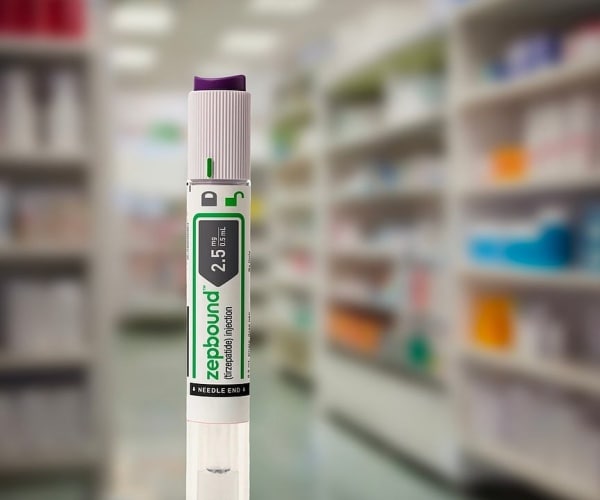
Inside the cardiology wards of major hospitals, physicians managing patients with both type 2 diabetes and heart disease have long faced an uncomfortable arithmetic: treat the blood sugar, and you may do little to address the cardiovascular catastrophe quietly building in the background. A large new study published in The BMJ suggests that tirzepatide — sold under the brand names Zepbound and Mounjaro — may finally begin to change that calculus, cutting the combined risk of heart attack, stroke, or death from any cause by nearly a third compared to a widely used diabetes medication.
The findings, reported on August 5, 2026, draw on clinical practice data from almost 53,000 people living with both type 2 diabetes and established heart disease. Researchers compared patients who started taking tirzepatide against those prescribed sitagliptin, a conventional diabetes drug, and tracked what clinicians call major adverse cardiovascular events — the grim shorthand for heart attacks, strokes, and deaths from any cause. At the one-year mark, the tirzepatide group recorded a MACE rate of 2.9%, against 4.4% in the sitagliptin group. That 32% relative reduction translates into something concrete and clinically actionable: for every 70 patients who begin tirzepatide, one cardiovascular catastrophe is prevented.
The cardiovascular signal alone would have made headlines. But the study’s most arresting finding arrived from an unexpected direction. Patients on tirzepatide also experienced dramatically fewer severe infections — a 36% drop in infections requiring hospital admission, and a reduction in infection-related death of as much as 60%. One fewer infection-related death for every 200 patients, one fewer hospitalization for every 48. “The data on infections surprised us because the findings were so striking,” said lead researcher Dr. Nils Krüger, a resident physician in cardiovascular diseases at the Technical University of Munich Hospital in Germany. The precise mechanisms remain under investigation, but the hypothesis points toward obesity’s well-documented role in fueling systemic inflammation, which in turn appears to blunt immune function — and which tirzepatide’s weight-reducing effects may help reverse.
Tirzepatide belongs to the GLP-1–based class of medications that first attracted attention as glucose-lowering agents and then stunned the medical world with their weight-loss results. The drug works on multiple hormonal pathways simultaneously, and Krüger was careful to frame its benefits as almost certainly multifactorial. “Tirzepatide improves glucose control, reduces body weight, and may favorably influence blood pressure, lipids, inflammation, and other cardiometabolic risk factors,” he noted, adding that “GLP-1–based medications were initially developed to improve glucose control, but their effects appear to extend well beyond blood sugar and weight loss.” The all-cause mortality data underscored that point starkly: tirzepatide was associated with a hazard ratio of 0.55 for overall death — meaning patients on the drug were roughly half as likely to die during the follow-up period — with one life saved for every 122 patients treated.
The study carries the standard caveats of observational research. The authors themselves acknowledged that residual differences between the two patient groups could partly explain the mortality findings, and the follow-up period was relatively short. Randomized controlled trials would offer more definitive answers about causation. What this study does accomplish, however, is to translate a promising signal into the kind of absolute numbers — patients helped per hundred treated — that a physician can actually use when sitting across from a high-risk patient weighing treatment options. That clinical specificity matters enormously in a healthcare landscape where access to tirzepatide remains shaped by insurance coverage decisions, formulary politics, and a price point that continues to place the drug out of reach for many of the patients who stand to benefit most.
That last reality deserves to sit alongside the science. The evidence for tirzepatide’s cardiovascular and immunological benefits is accumulating with remarkable speed. The policy infrastructure to ensure broad, equitable access to it is not. For the millions of Americans managing type 2 diabetes alongside heart disease — a population disproportionately working-class, disproportionately uninsured or underinsured, disproportionately from communities that have been systematically underserved by the healthcare system — a drug that can prevent one heart attack for every 70 patients is only as meaningful as the system’s willingness to make sure those 70 patients can actually get it.