
China Leads World in Nuclear Expansion as Arms Control Frameworks Collapse
China is expanding its nuclear arsenal faster than any other country on Earth, according to the Stockholm International Peace Research Institute (SIPRI)‘s 2025 yearbook, released this week. Beijing now possesses approximately 620 nuclear warheads — up from 500 the previous year — and is actively developing new delivery systems that could reshape the global balance of nuclear power by 2030.
The findings arrive at a moment of acute instability in international arms control, with the New START treaty between the United States and Russia having lapsed and no successor agreement in sight. SIPRI warns that virtually every nuclear-armed state is now on an expansionary trajectory.
China’s Warhead Buildup: The Numbers
As of January 2026, China had 34 deployed warheads — up from 24 the previous year — alongside 586 warheads held in storage, bringing its total stockpile to 620. The country has loaded hundreds of missiles into three large silo fields in northern China, while completing an additional 30 silos in mountainous eastern regions.
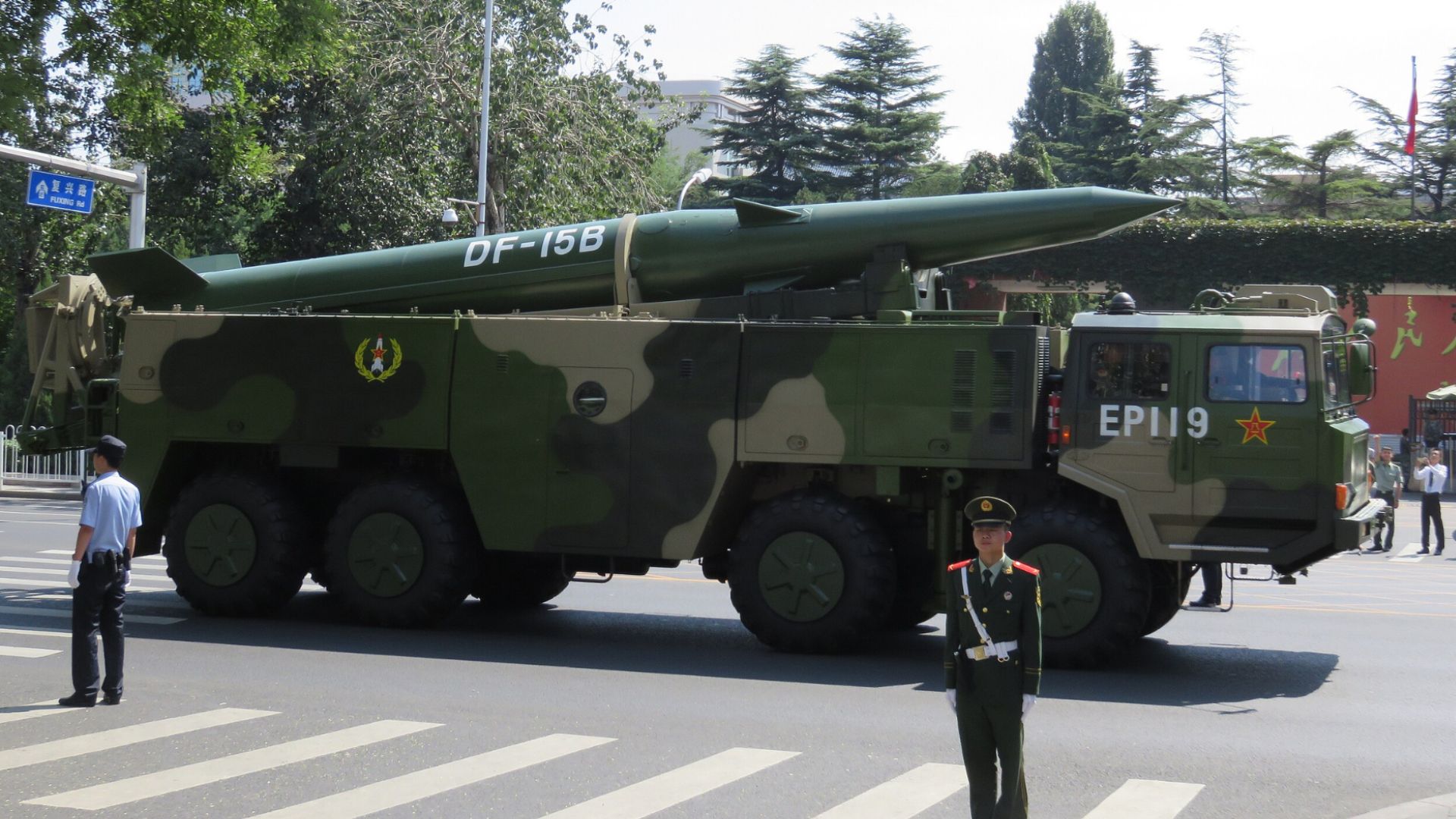
SIPRI projects that China could possess at least as many intercontinental ballistic missiles (ICBMs) as either Russia or the United States by 2030. Beijing showcased several new missile systems during its 2025 military parade, signaling that the buildup is deliberate and public.
Even so, China’s arsenal remains a fraction of the two dominant nuclear powers. The United States holds 3,700 warheads; Russia holds an estimated 4,400. If China reaches 1,000 warheads by 2030, it would still represent roughly one-quarter of either superpower’s stockpile.
A World Rearming: The Global Picture
The total global inventory now stands at an estimated 12,187 nuclear warheads. Of those, approximately 9,745 are held in active military stockpiles, with around 4,012 deployed on missiles and aircraft and the remainder in storage.
Most other nuclear states have seen modest changes. India added roughly 10 warheads, bringing its total to 190, with 12 deployed. The United Kingdom, France, and Pakistan recorded little change since 2025.
Critically, SIPRI warns that for the first time since the Cold War ended, the pace at which Russia and the United States dismantle retired warheads may slow — meaning the global inventory could begin rising in absolute terms, not just relative ones.
Arms Control in Freefall
SIPRI Director Karim Haggag issued a stark warning about the consequences of nuclear rhetoric by world leaders. “The dangers associated with nuclear weapons are growing due to advances in weapon technology, the breakdown of nuclear arms control and heightened geopolitical tensions, among a range of other factors,” Haggag said.
The report identifies a dangerous erosion of the diplomatic infrastructure that once managed nuclear risk. Strategic dialogue between key nuclear states has diminished, and direct crisis-communication channels have weakened or disappeared.
Matt Korda, Associate Senior Researcher with SIPRI’s Weapons of Mass Destruction Program and Associate Director for the Nuclear Information Project at the Federation of American Scientists, pointed to a structural political problem driving the instability.
“Along with the reduction in transparency and the loss of diplomatic channels for crisis management, the drift towards authoritarianism in some nuclear-armed states is contributing to even greater unpredictability,” Korda said.
Modernization, Not Just Expansion
While Russia and the United States have not dramatically increased their raw warhead counts, both countries are pursuing sweeping modernization programs that SIPRI believes will “increase the size and diversity of their arsenals in the future.”
The combination of technological modernization, collapsed arms control frameworks, reduced transparency, and rising geopolitical tensions represents what the report describes as a compounding set of nuclear risks — ones that no single treaty negotiation or diplomatic gesture is currently positioned to reverse.
The post-New START era, SIPRI concludes, is one in which the logic of nuclear restraint has given way to the logic of nuclear competition — and no major power appears ready to reverse that trend.