
The Everglades restoration is one of the most ambitious environmental projects in American history. A federal-state partnership under the Comprehensive Everglades Restoration Plan is working to revive the natural water flow across South Florida’s interconnected ecosystems — a landscape that supports biodiversity, coastal health, and millions of people. It represents exactly the kind of bold, government-led environmental investment that works. But here is the uncomfortable truth scientists and policymakers are now confronting: large-scale restoration alone cannot stop biodiversity loss if the surrounding landscape keeps degrading around it.
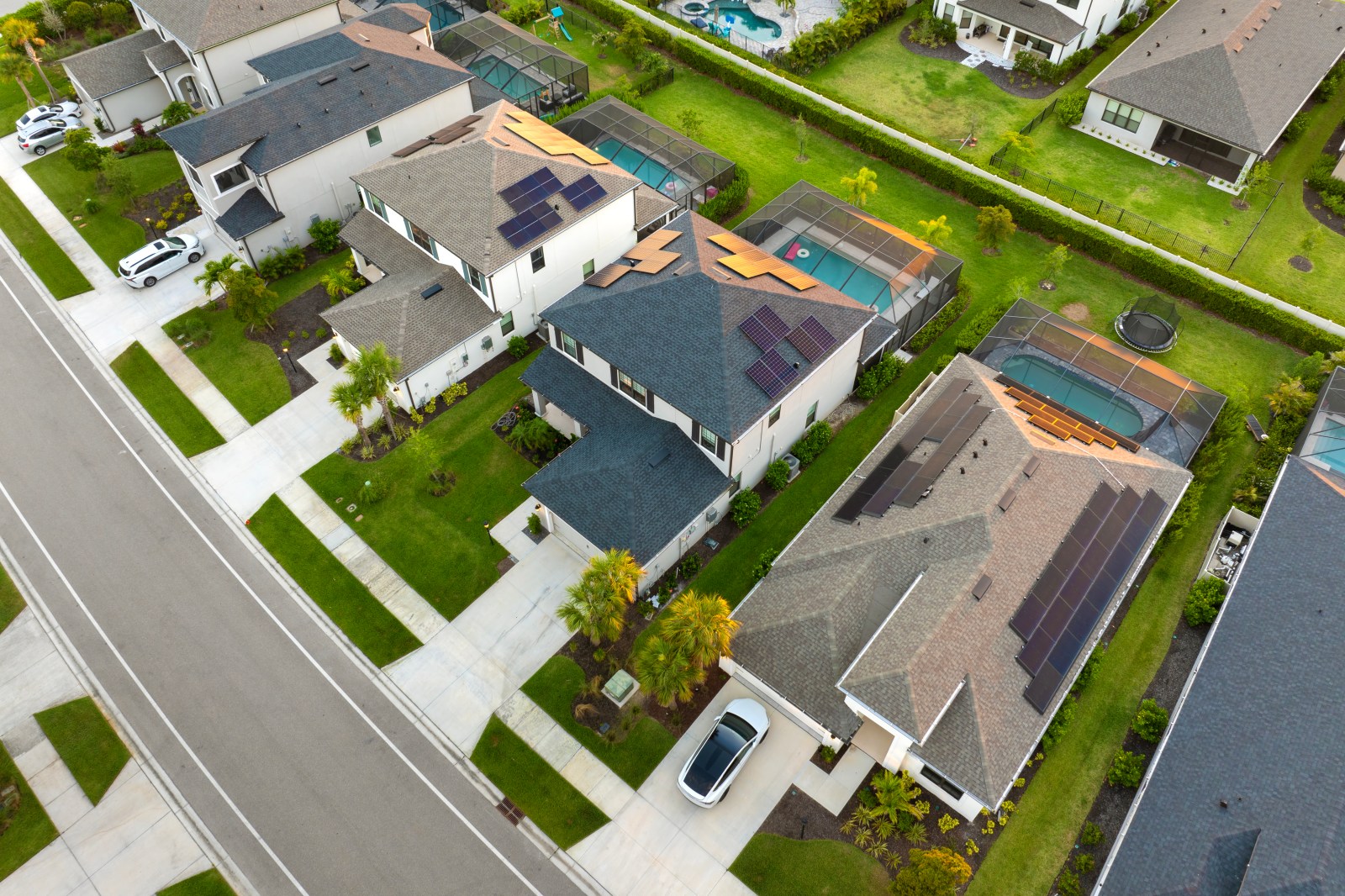
Most of the United States is privately owned. That single fact reshapes everything about modern conservation strategy. U.S. Environmental Protection Agency data confirms that land-use change — the conversion of natural areas for development — continues to fragment and diminish ecosystems nationwide. Protected public lands remain essential, but they exist inside a broader landscape of lawns, subdivisions, commercial strips, and managed turf. What happens in those spaces matters enormously, and for too long, conservation policy has treated them as an afterthought.
The numbers are striking. NASA analysis estimates that turf grass covers roughly 40 million acres across the continental United States, making it one of the most dominant managed landscapes in the country. Maintaining that carpet of lawn demands significant water inputs, along with fertilizers and pesticides that, when they enter waterways, generate nutrient pollution and accelerate algal blooms. In Florida, where residential waterways connect directly to coastal ecosystems, the cumulative damage from millions of individual landscaping decisions can rival the harm that large-scale restoration is working to undo.
Pollinators are already paying the price. U.S. Geological Survey research documents ongoing declines in pollinator populations driven substantially by habitat loss and land-use change. Bees and butterflies do not recognize the boundary between a national park and a homeowners association. They need connected habitat corridors, and right now, the suburban landscape largely fails to provide them.
Bridget Washburn, Executive Director of Audubon Western Everglades, has spent decades working at the intersection of environmental policy and on-the-ground community collaboration. She argues that conservation is entering a fundamentally new phase — one that cannot be managed from the top down alone. In her view, the Everglades restoration is the beginning of the story, not the end. Long-term ecological recovery depends on what happens in the neighborhoods, commercial properties, and residential developments that surround protected land.
Washburn’s framework, the Nature Where We Live initiative, developed in collaboration with nonprofits, local governments, landowners, and businesses, puts that argument into practice. It focuses on scalable, practical actions that individuals and organizations can take to restore biodiversity within everyday environments. The central target is turf grass — ecologically barren, resource-intensive, and deeply embedded in American landscape culture.
“We are effectively irrigating millions of acres of lawn,” Washburn says. “It requires constant inputs to maintain a uniform appearance, and those inputs have consequences for water resources and ecosystem health.” She is not speaking abstractly. She is describing a system that communities are now actively seeking to exit.
Homeowners associations — which govern large swaths of residential America and set the landscaping standards that individual homeowners must follow — are increasingly approaching Audubon Western Everglades for guidance on transitioning from turf to native plants. That is a significant shift. These are not environmental organizations. They are property management bodies responding to member interest and, increasingly, economic logic. Native plants require less water, eliminate most of the need for fertilizers and pesticides, support pollinators and bird populations, and reduce long-term maintenance costs. The environmental case and the financial case point in the same direction.
Developers, too, are entering the picture. Washburn notes that incorporating native landscapes and ecological connectivity into new projects is no longer purely altruistic — communities with healthy ecosystems and clean waterways attract investment and hold property value. Environmental stewardship and economic resilience are converging, and smart developers are beginning to recognize it.
This is not a call to abandon large-scale public investment in conservation. Federal and state funding for projects like CERP is irreplaceable, and the argument for expanding that funding — not cutting it — remains strong. But the impact of every public dollar spent on restoration is diminished if the private landscape surrounding those restored ecosystems continues to degrade. Policy and individual action are not alternatives. They are complements.
Tools and resources already exist. Plant guides, local conservation programs, and community partnerships give homeowners and businesses growing support to make informed decisions. The barrier is rarely information alone — it is also access to incentives, clear guidance, and the cultural permission to replace a lawn with something that actually lives.
“Conservation is not a spectator’s sport,” Washburn says. “If we want to see real change, it has to start where we live — in our neighborhoods, in our communities, and in the decisions we make every day.” That framing matters. It moves conservation from a distant, specialized concern into the territory of civic responsibility — something shaped not only by what governments protect, but by what ordinary people choose to plant.