
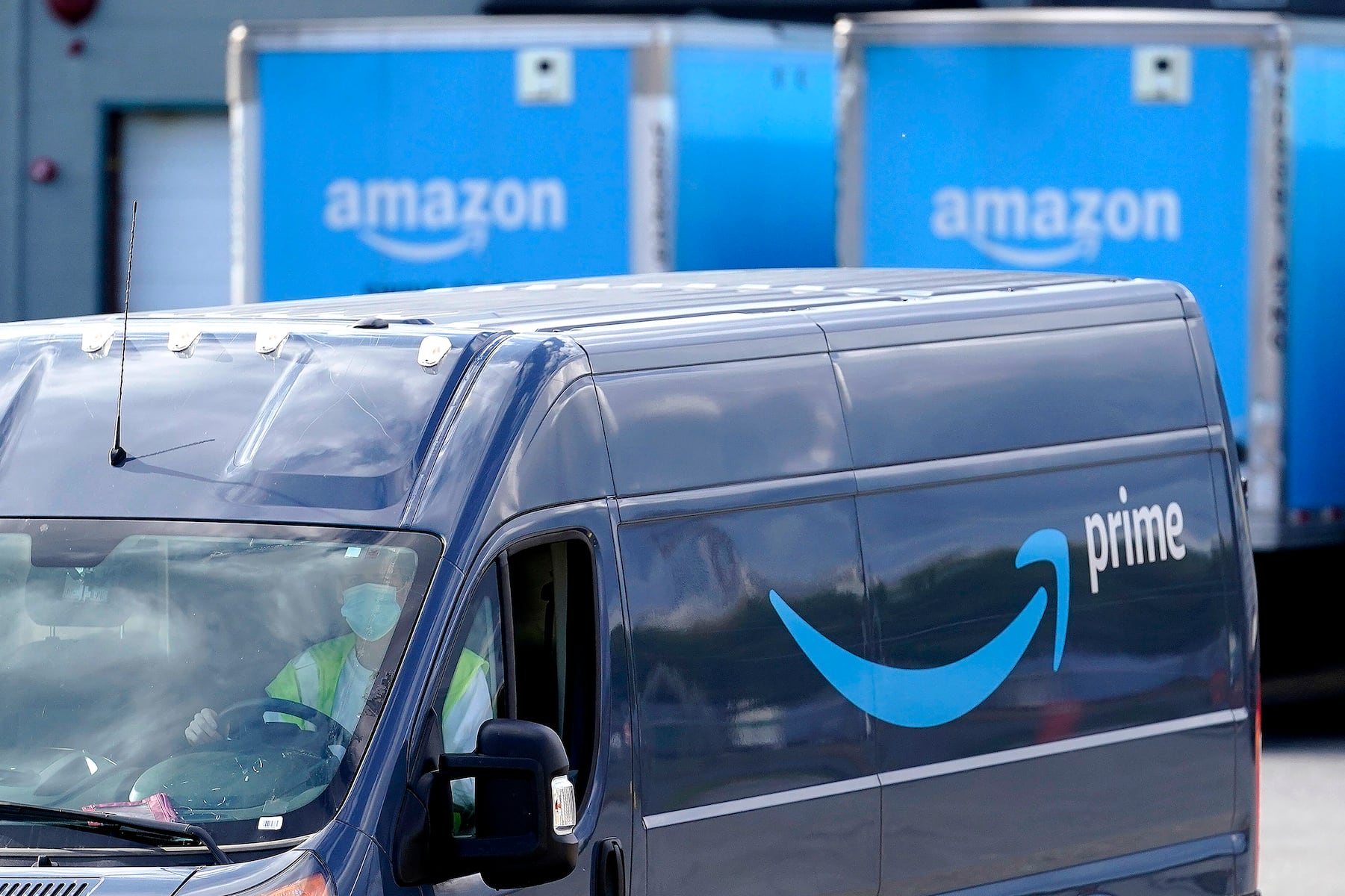
More than 30,000 workers were denied pay for mandatory pre-shift health checks, lawsuit alleged
Amazon has agreed to a $3 million class-action settlement in Pennsylvania after more than 30,000 hourly workers alleged the company failed to pay them for time spent undergoing mandatory COVID-19 health screenings before their shifts — a violation of state minimum wage law.
The settlement, which received preliminary court approval earlier this month, covers Amazon employees who worked in Pennsylvania before July 19, 2023, and were required to undergo COVID-19 screening. A final approval hearing is scheduled for November.
What the Lawsuit Alleged
The case was originally filed in 2023 in the U.S. District Court for the Eastern District of Pennsylvania by Bobby Muniz, an Amazon worker at the company’s Easton fulfillment center.
Muniz alleged that the required health screenings — including waiting in line — typically consumed 10 to 15 minutes before each shift, time for which workers were never compensated. Pennsylvania law requires that employees be paid for all hours worked, including pre-shift time mandated by an employer.
Amazon’s legal team disputed the scale of the issue, arguing that “time spent off the clock was minimal,” particularly after the company introduced thermal camera temperature checks at its facilities. Court documents note that “both sides vigorously dispute the amount of time workers spent off the clock.”
What Workers Should Know
Eligible workers do not need to take any additional steps to receive their share of the settlement. However, those who wish to opt out of the class action must do so by October 15.
Amazon did not respond to a request for comment.
A Pattern of Wage Disputes
The settlement is the latest in a series of labor disputes involving Amazon’s treatment of warehouse and fulfillment center workers. Labor advocates have long argued that the company’s operational model — which relies heavily on timed, monitored workflows — creates structural conditions where wage theft, whether intentional or systemic, becomes difficult for individual workers to challenge without collective legal action.
The $3 million payout, divided among more than 30,000 workers, underscores both the breadth of the alleged violation and the limits of class-action settlements as a remedy: even if fully distributed, the average individual payout would amount to roughly $100 per worker — a fraction of what sustained unpaid pre-shift time over months or years might actually represent.