
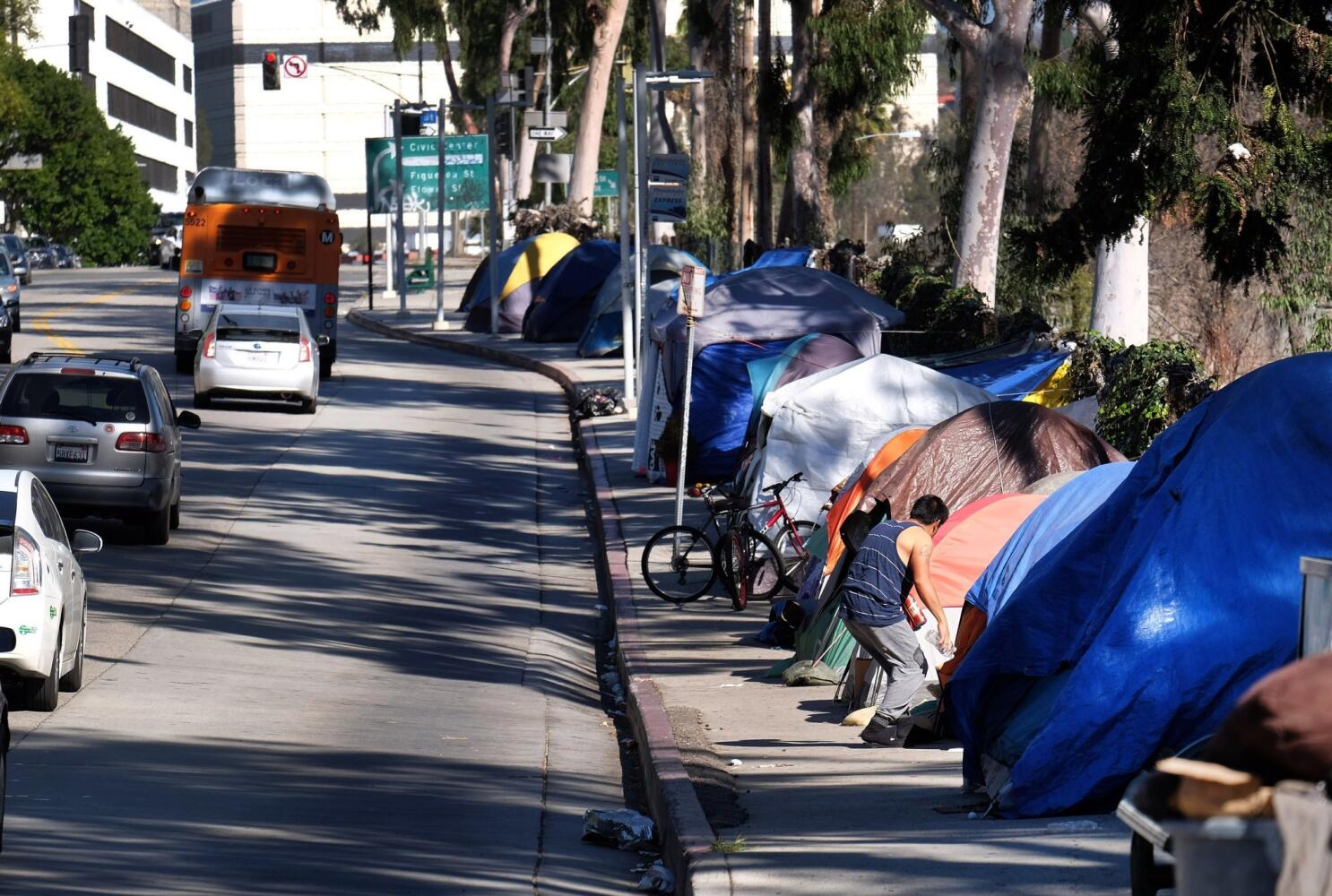
LA Voters Furious Over Homelessness Crisis as Bass Admits Falling Short of 2026 Pledge
Los Angeles voters are heading into the June 2026 primaries with homelessness at the top of their minds — and anger at the top of their chests. Mayor Karen Bass, who pledged to end street homelessness in the city by 2026, has publicly acknowledged she will miss that target, citing bureaucratic obstacles. The admission has intensified frustration among residents who say they see little change on city streets despite years of promises and billions in public spending.
A Promise Broken, a Crisis Unresolved
Bass’s 2026 deadline was a centerpiece of her 2022 mayoral campaign, offering voters a concrete, time-bound commitment on an issue that has defined life — and politics — in Los Angeles for more than a decade. That commitment now looks untenable.
While city data has recorded modest declines in official homeless counts, residents and advocates say the visible reality on sidewalks, in parks, and under freeway overpasses tells a different story. Public frustration has not followed the numbers downward.
The Political Stakes in 2026
The homelessness crisis is reshaping the field ahead of both the LA mayoral race and the California gubernatorial election. Bass faces a challenge from Nithya Raman, a progressive city councilmember who has pushed for more structural, housing-first approaches to the crisis.
Voter sentiment on homelessness cuts across traditional political lines. Many residents who support robust government intervention in housing and social services are among the most vocal critics of how city and state officials have managed — and misspent — resources allocated to address the problem.
Billions Spent, Questions Unanswered
Los Angeles has spent extraordinary sums on homelessness in recent years. A 2023 city audit found that LA County spent more than $3 billion on homelessness in a single fiscal year, yet the crisis has not meaningfully abated. Critics across the political spectrum have questioned whether money is being directed efficiently, or whether structural failures — in housing policy, mental health infrastructure, and addiction services — are being adequately addressed.
Progressive critics argue the problem is not spending per se, but a persistent failure to build enough permanent supportive housing at scale, combined with an over-reliance on temporary shelter solutions and a political unwillingness to challenge the zoning and land-use barriers that keep housing costs catastrophically high.
What Voters Are Saying
Ahead of the June primaries, homelessness is functioning as a litmus test for government competence — and, for many voters, a measure of whether elected officials genuinely prioritize the public good over political optics. That anger is not ideologically uniform, but it is intense.
For a city that has long positioned itself as a model of progressive governance, the persistence of mass street homelessness represents a serious credibility problem — one that candidates in both the mayoral and gubernatorial races will have to confront directly if they want to win.