
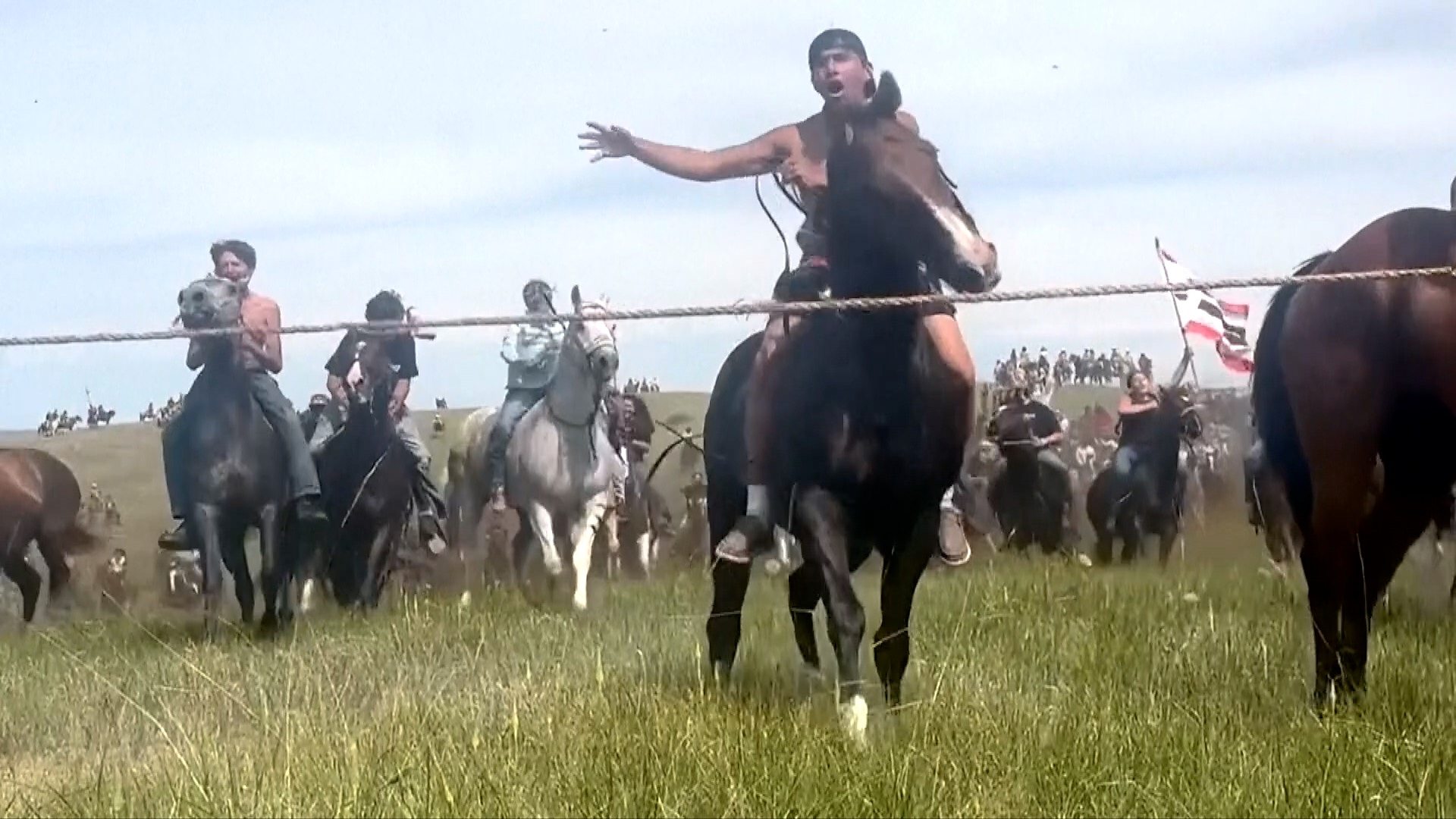
Native American tribes gathered this week to commemorate the 150th anniversary of the Battle of Greasy Grass — known to most Americans as the Battle of Little Bighorn — marking one of the most significant military victories in Indigenous history against the United States government. The June 1876 battle saw a coalition of Lakota Sioux, Northern Cheyenne, and Arapaho warriors unite under leaders including Sitting Bull and Crazy Horse to decisively defeat U.S. Lieutenant Colonel George Armstrong Custer and more than 200 of his soldiers in what is now southeastern Montana. The anniversary carries deep meaning for tribal nations whose histories, lands, and sovereignty have been systematically eroded by federal policy in the century and a half since that day.
The battle took place during the U.S. government’s relentless campaign to seize the Black Hills — land sacred to the Lakota and guaranteed to them under the 1868 Fort Laramie Treaty — after gold was discovered there. Custer’s Seventh Cavalry had been dispatched as part of a broader military operation to force Indigenous peoples onto reservations. The victory at Greasy Grass was a decisive but ultimately temporary reversal: within months, the U.S. military intensified its campaign, and the tribes were subdued, their lands taken, and their cultures suppressed for generations through policies ranging from forced removal to the boarding school system.
For tribal communities today, the 150th anniversary is not merely a historical milestone but an assertion of continuity, resilience, and sovereignty. The battle remains a powerful symbol of what coordinated Indigenous resistance accomplished at a moment when the full weight of U.S. expansionism bore down on Native peoples across the Great Plains. Marking the anniversary on this scale reflects a broader resurgence of Indigenous cultural pride and political visibility — a resurgence that stands in sharp contrast to the ongoing struggles many tribal nations face over land rights, treaty enforcement, and federal recognition.