
Millions of Seniors Could Access Weight-Loss Drugs at a Fraction of the Cost Under Temporary Federal Program
Starting July 1, millions of Medicare recipients will be able to access popular GLP-1 weight-loss medications for as little as $50 per month — down from retail prices that can exceed $900 — under a new federal initiative called the Medicare GLP-1 Bridge program. The program, administered by the Centers for Medicare & Medicaid Services (CMS), runs through December 31, 2027, and represents one of the most significant expansions of Medicare drug access in years.
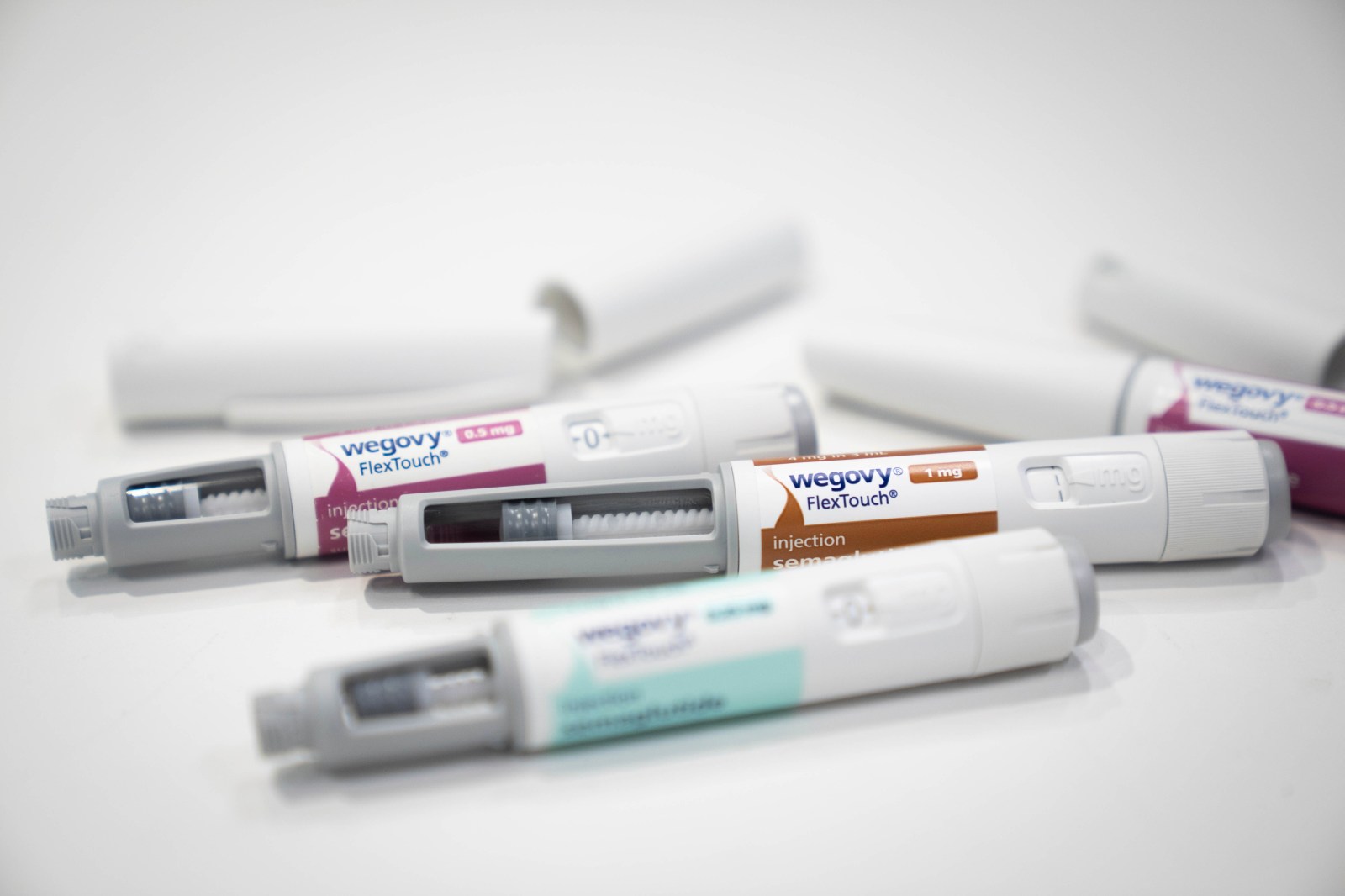
The initiative addresses a long-standing gap: federal rules have historically barred Medicare from covering weight-loss medications, leaving seniors on fixed incomes effectively priced out of a drug class with proven cardiovascular and metabolic benefits. GLP-1 drugs — including Wegovy, Zepbound, and Foundayo — were originally developed to treat Type 2 diabetes but are now widely prescribed for obesity and related chronic conditions.
Why This Matters
The cost barrier has been stark. Without insurance, GLP-1 medications can run over $900 a month — an impossible sum for many seniors living on Social Security. By capping out-of-pocket costs at $50 for a 30-day supply, the program could bring treatment within reach for a population that has disproportionately borne the health consequences of obesity, including heart disease and diabetes.
The health case for expanded access is strong. Clinical evidence shows GLP-1 drugs drive significant weight loss and meaningfully reduce the risk of serious cardiovascular events. Restricting them to those who can afford $900 a month is, in effect, a policy that rations care by wealth.
How the Program Works
The Bridge program operates outside standard Medicare Part D coverage rules. The $50 monthly copay is a flat fee and does not count toward a beneficiary’s annual deductible or out-of-pocket maximum — a structural quirk that experts say raises questions about the program’s long-term sustainability and integration into existing Medicare benefits.
“Medicare is effectively testing whether obesity medications can become a benefit for its broad base of participants,” said Alex Beene, a financial literacy instructor at the University of Tennessee at Martin. “Because this program operates outside normal Part D coverage and its $50 payments do not count toward beneficiaries’ annual out-of-pocket totals, access after 2027 will depend on further revisions to either continue the program in its current form or make a more substantial effort to integrate it into existing Medicare services.”
Which Drugs Are Included
Eligible Part D plan members will have access to three medications under the program:
Who Qualifies
To be eligible, beneficiaries generally must meet the following criteria:
Patients must work with their healthcare providers, who will submit clinical documentation through a centralized CMS system. The program does not allow self-enrollment.
The Unanswered Questions
Experts are flagging serious concerns about what happens when the program ends. GLP-1 drugs are not a one-time treatment — research shows that patients who stop taking them typically regain weight rapidly, suggesting that for many users, these will become lifelong medications.
“Someone is ultimately footing the bill, and right now there are very few answers about what happens after December 31, 2027,” said Kevin Thompson, CEO of 9i Capital Group. Thompson also noted that the subscription-style payment model raises unresolved questions about long-term program costs and fiscal sustainability.
The concern is not abstract. If Congress or CMS fails to extend or formally integrate the program into Medicare after 2027, patients who have achieved meaningful health improvements could lose access abruptly — potentially reversing those gains.
“The greatest concern is that while in the short-term the program could provide health benefits to those who need help with weight management, in the long-term those same problems could return if there is a failure to extend the program past its current end date,” Beene said.
A Note on the Messenger
The program was announced by CMS Administrator Dr. Mehmet Oz, the celebrity physician and former Republican Senate candidate appointed to lead the agency. Oz framed the initiative as expanding access and promoting healthier lives. Whether his tenure at CMS will produce durable policy gains — or temporary gestures — remains to be seen. The Bridge program’s temporary, off-channel structure warrants scrutiny: genuine access reform would mean permanently integrating GLP-1 coverage into Medicare Part D, not a time-limited workaround.