
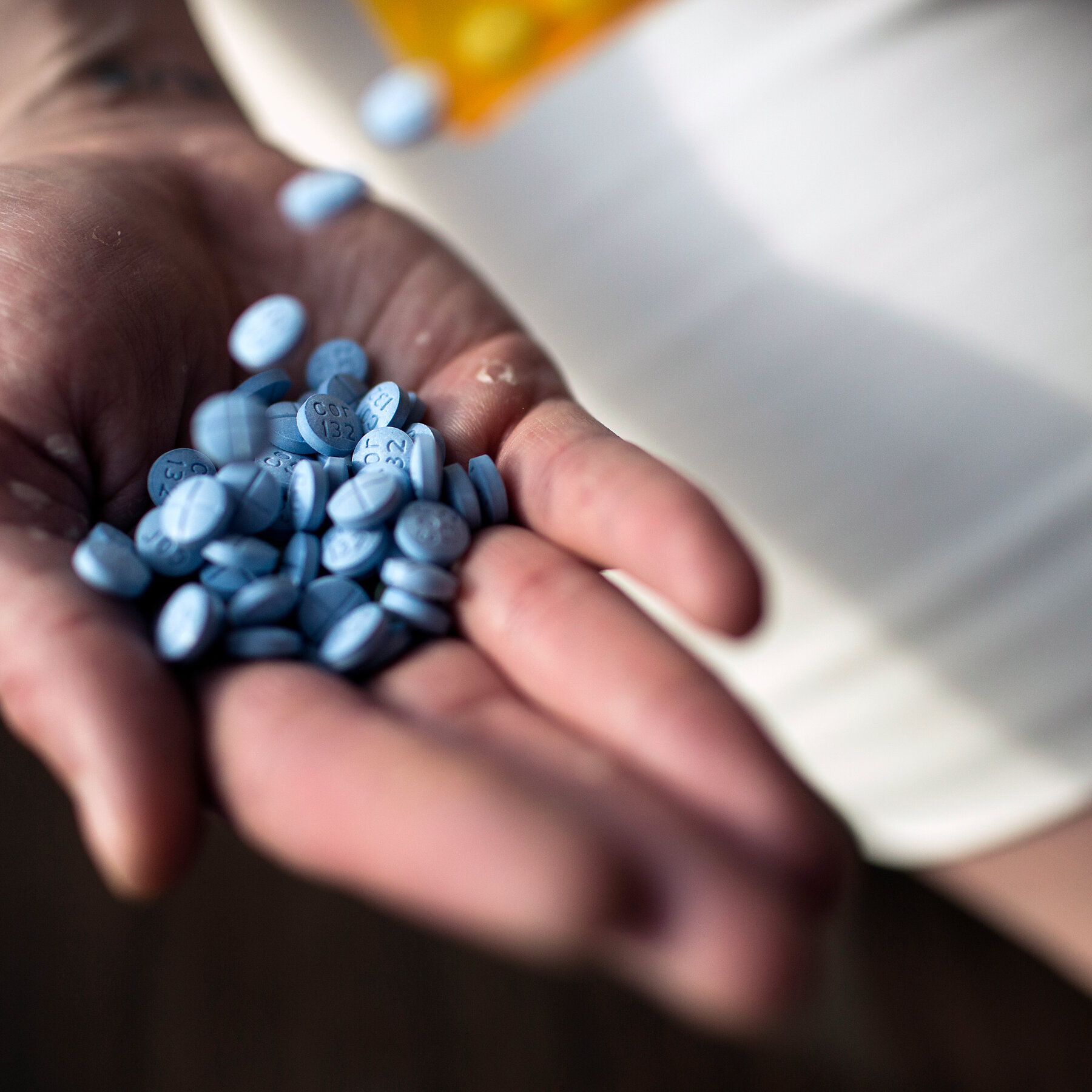
Two senior executives of Done Global, a venture-backed telehealth startup that marketed itself as a solution to the ADHD treatment gap, have been sentenced to federal prison after orchestrating one of the largest illegal stimulant distribution schemes in recent memory. The case is a stark reminder that deregulated digital health markets, without robust oversight, can become vehicles for serious harm — and that the victims are often the most vulnerable patients seeking legitimate care.
The Department of Justice announced Tuesday that Ruthia He, Done Global’s founder and former chief executive, received a six-year prison sentence and a $1 million fine. Dr. David Brody, who served as the company’s clinical president, was sentenced to two years in prison and ordered to pay an identical fine. Both were convicted in 2025. Together, they presided over a company whose clinicians were signing Adderall prescriptions at a rate of one every 30 seconds — a pace that makes meaningful clinical evaluation not merely unlikely, but mathematically impossible.
The scale and cynicism of the scheme are difficult to overstate. Done Global’s executives actively pressured clinicians to prescribe stimulants to patients those same clinicians did not believe had ADHD. The company automatically authorized prescription refills for patients who were on involuntary psychiatric holds — and, in some cases, for patients who had already died. Adderall was dispensed to individuals whose known mental health conditions, including psychosis, bipolar disorder, depression, and anxiety, are documented to worsen with stimulant use. Dr. Brody personally authored prescriptions for 394,324 stimulant pills destined for thousands of patients he had never once evaluated. He reportedly told Done employees that stimulants were “like candy” and that prescribers at the company were “like Santa Claus” — a framing that reveals not just recklessness, but contempt for the patients the company claimed to serve.
When the Market Fails Patients, Regulation Is Not the Enemy
Done Global’s rise was enabled by a specific regulatory environment: pandemic-era rules that relaxed telehealth prescribing restrictions for controlled substances, combined with a startup culture that prized growth metrics over clinical outcomes. The company was not a rogue outlier operating in spite of the system — it was a product of gaps within it. That distinction matters enormously for the policy conversation that must follow. The lesson here is not that telehealth is inherently dangerous; expanding access to mental health and ADHD treatment through digital platforms is a genuine public good, particularly for low-income patients and those in underserved rural areas. The lesson is that access without accountability is not reform — it is abdication.
The federal prosecution of He and Brody demonstrates that criminal law can reach bad actors after the damage is done. But 37 million illegally distributed pills represent harm that has already landed in communities, in bodies, in emergency rooms. Reactive enforcement is necessary but insufficient. What this case makes plain is that the telehealth sector requires the kind of proactive, structural regulation that industry lobbyists have long resisted: mandatory clinical standards for prescribing controlled substances via digital platforms, real-time prescription monitoring integrated across state lines, and meaningful liability for executives who treat patient safety as a growth obstacle. The prison sentences handed down this week are appropriate. The regulatory framework that allows the next Done Global to get this far before anyone intervenes is the problem that still demands an answer.