
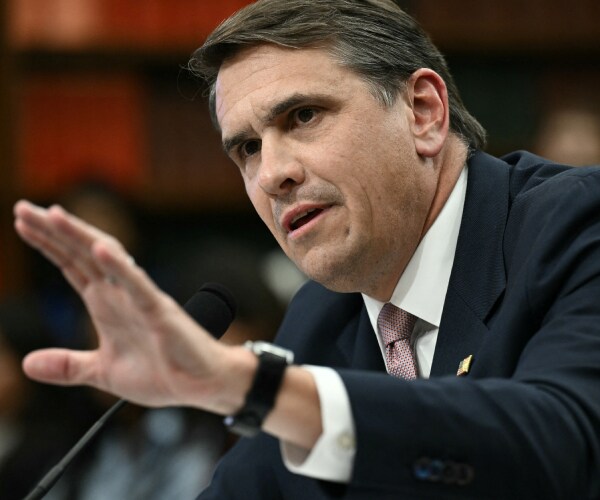
Acting Attorney General Todd Blanche confirmed the fund’s termination Tuesday, but the Justice Department’s controversial tax audit shield for Trump remains intact.
The Trump administration has scrapped its nearly $1.8 billion “anti-weaponization” fund after an unusual and intense backlash from Republican senators threatened to derail a $72 billion border security bill funding ICE and Border Patrol operations, Acting Attorney General Todd Blanche told lawmakers Tuesday.
“We are not moving forward with the fund,” Blanche said at a House subcommittee hearing. “Period.”
What Was the Fund — and Why Did It Collapse?
The $1.776 billion fund originated from a legal settlement between Trump and the Justice Department to resolve a $10 billion lawsuit Trump filed against the IRS over the alleged mishandling of his tax records. It was designed to compensate people who claimed they had been subjected to government abuse.
The fund became politically toxic last month when Blanche refused to commit to blocking January 6 Capitol rioters — including those convicted of assaulting police officers — from receiving payouts. That triggered a revolt among Republican senators who feared the political fallout.
Congressional leaders warned they could not pass the border funding bill while the fund remained alive. According to a person familiar with White House thinking, Blanche’s own job security depended on his ability to defuse the crisis.
The Tax Audit Shield Stays
Despite the fund’s collapse, Blanche confirmed that a separate and deeply controversial provision will remain: the Justice Department’s agreement to bar future audits of Trump’s and his family’s past tax records. That arrangement, embedded in the original settlement, drew no comparable Republican objection.
The persistence of the audit shield — a sitting president using the Justice Department to insulate himself and his family from IRS scrutiny — represents an extraordinary use of executive power with no modern precedent.
Last-Minute Lobbying Failed to Calm the Revolt
White House officials spent much of Monday calling Republican lawmakers to assure them no payouts would be made, according to two sources familiar with the matter who spoke on condition of anonymity. Those assurances did little to satisfy senators ahead of Tuesday’s hearing.
Lawmakers pressed Blanche for an unambiguous, on-the-record commitment that the fund was dead — which he ultimately provided.
Context: A Self-Dealing Settlement Under Scrutiny
The episode underscores the structural conflicts of interest built into Trump’s Justice Department, which negotiated a settlement on behalf of the United States government in a lawsuit brought by the president himself. Legal experts have questioned whether such a settlement could withstand judicial scrutiny.
What killed the fund was not legal challenge or Democratic opposition — it was Republican senators calculating that paying January 6 rioters was an electoral liability they could not afford.